Ride through Guanajuato on a nine-day, eight-night pilgrimage to Cristo Rey, joining local riders and exploring mountain trails, villages and historic sites.
Number of Nights: 8
Difficulty: Intermediate
Price: 5350 USD
Location: Guanajuato
Guanajuato, Mexico
Share with friends
Accommodation is shared and totals 8 nights, in the places described or similar. Lodging includes a former Jesuit hacienda, camping with the pilgrim contingent, the Parador Sangre de Cristo or similar, Hacienda Jesús María or similar, and a Posada in Guanajuato or similar. One night is described as a safari-style camp. Single occupancy is subject to availability, must be requested when booking, and requires an additional supplement.
The 2028 price is $5,350 USD per person. The group minimum is 06 participants and the maximum is 10. The weight limit is 110 kilos. Participants aged 14 to 18 are accepted only with a signed letter from a parent or legal guardian.
Included are the trained horse, saddle and equestrian equipment, saddlebags, picnic mat, camping equipment except a sleeping bag, personal flashlight and canteen, luggage support vehicle, bilingual guides, support staff, program meals, 8 nights’ accommodation, natural and fruit-flavoured water, pilgrimage permit and logistical support. Special food requests must be made when booking.
Airfare, airport or bus-station transfers, travel insurance, alcoholic drinks, museum or other attraction entrances, tips, laundry, telephone and internet, and lunch on day 8 in Guanajuato City are not included. A 30% deposit is required to reserve; full payment is due 6 weeks before the trip. Cancellations are not accepted after the deposit is made. The itinerary and accommodation plan may change for logistical reasons or at the direction of the Pilgrims’ Organizing Committee. Participants are strongly advised to arrive at least 24 hours before day 1; late arrivals are not awaited, and the listed transfer to rejoin the group costs $250.00 USD.
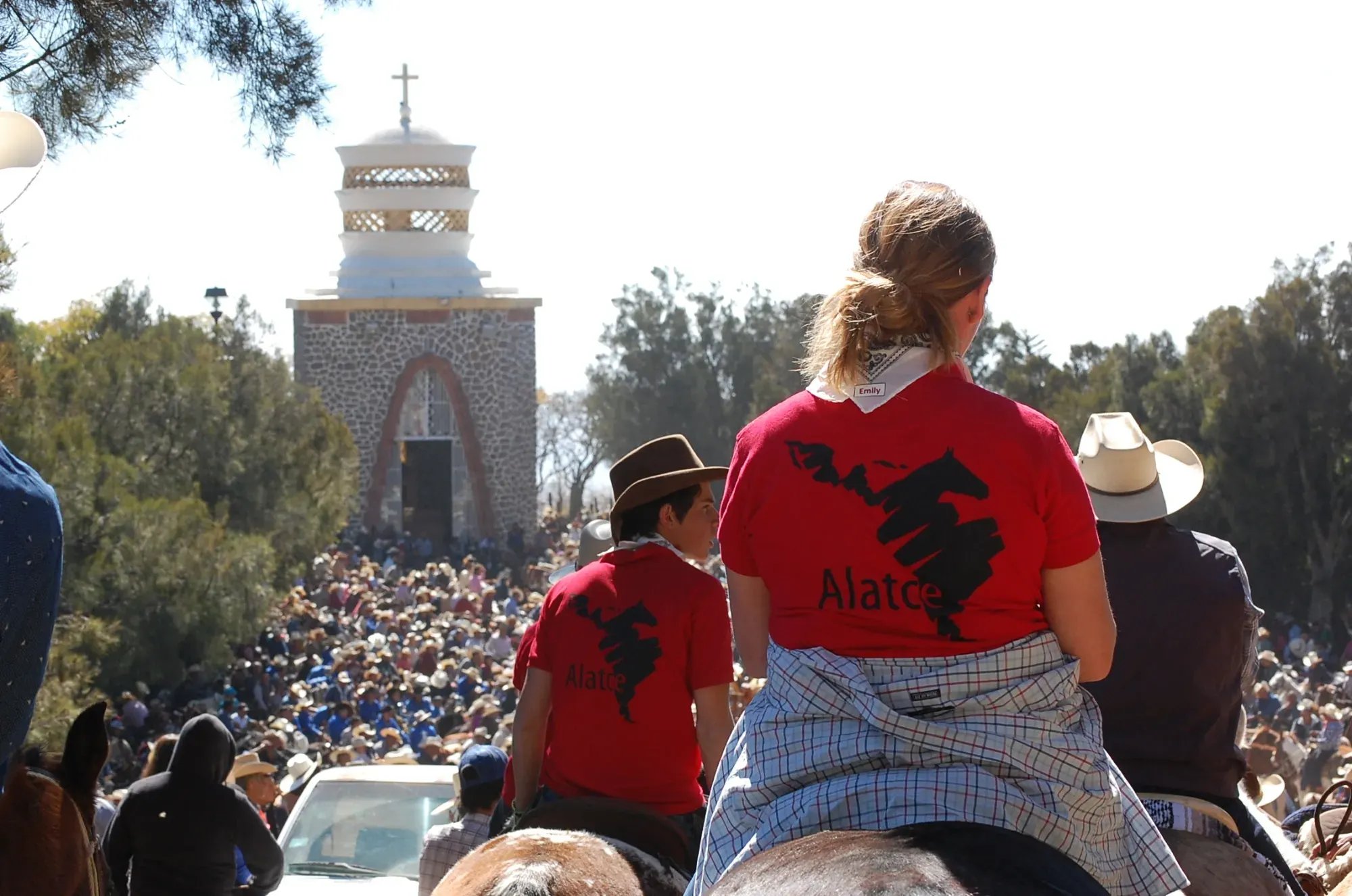
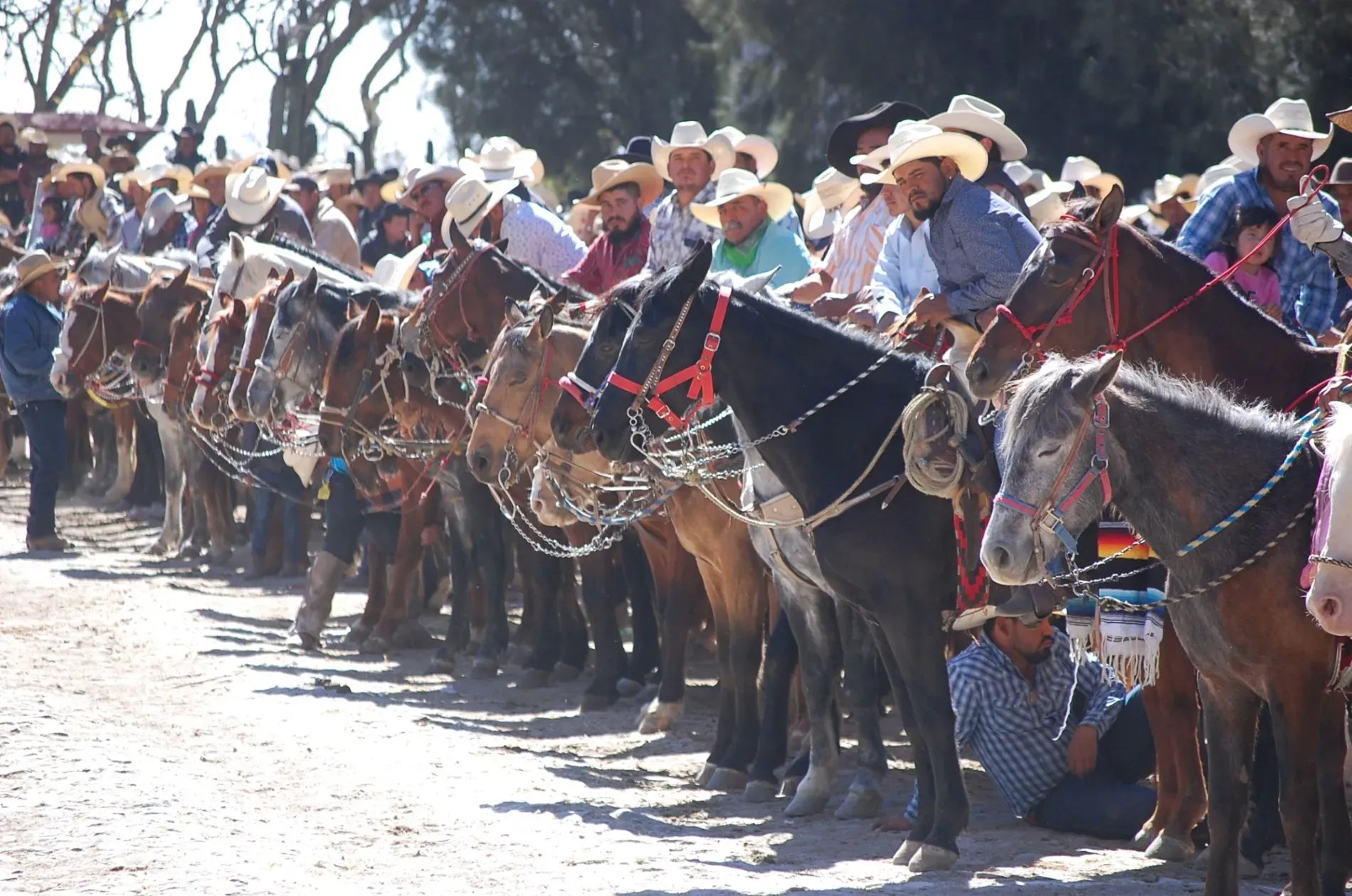
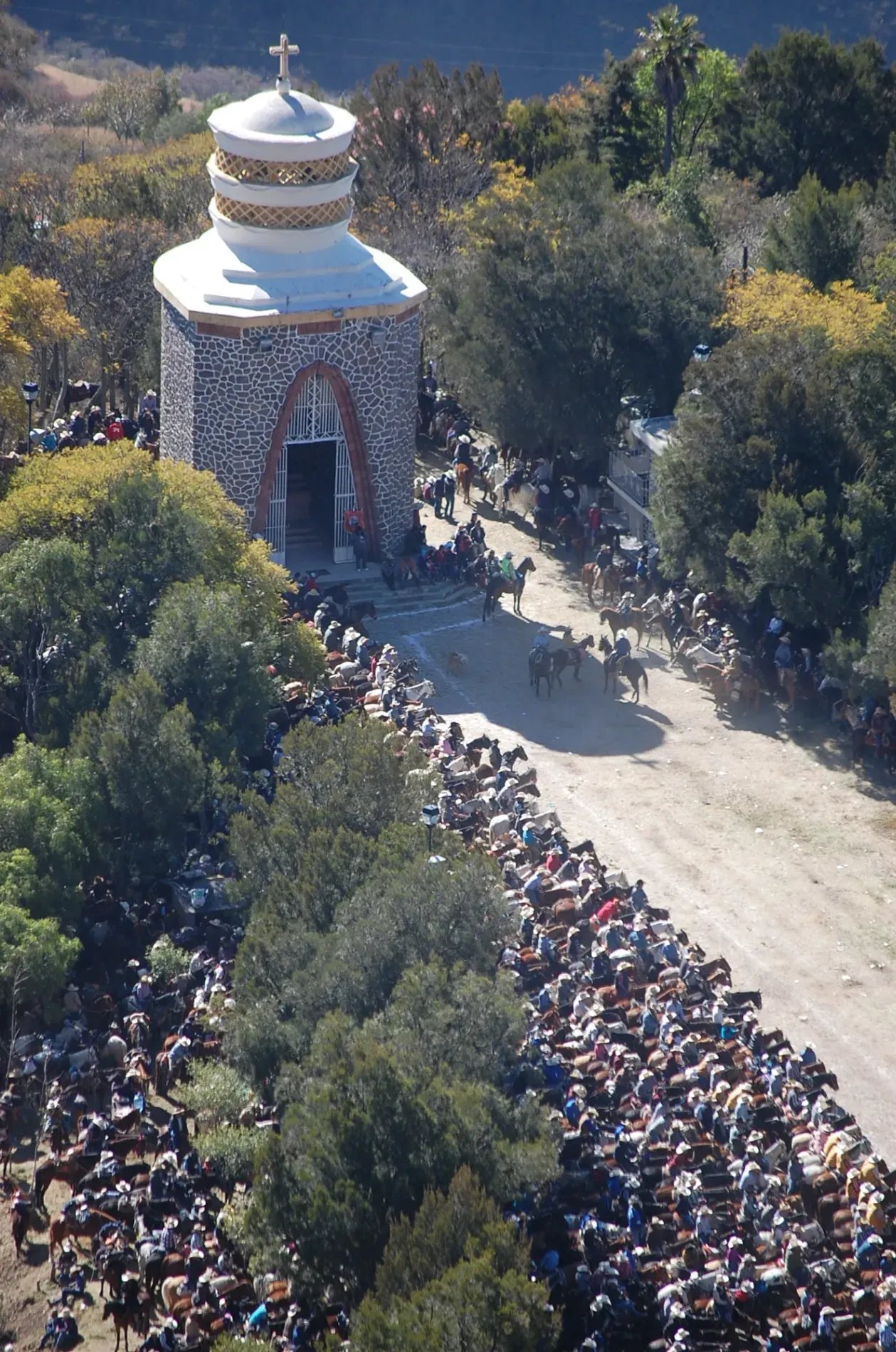
The Cristo Rey gathering centers on faith and equestrian tradition. The program includes Holy Mass with the Archbishop, attended by more than 3,500 horses and riders, as well as time among riders who travel from across Mexico. After the pilgrimage, the private riding portion explores the communities of Sangre de Cristo, Mineral de la Luz and San Ignacio, whose histories bring together Chichimeca Indigenous heritage, the Cristero region and silver mining.
These communities became ghost towns at the end of the 19th century. Mineral de la Luz once had thousands of inhabitants, a bullring, tobacco factory, sugar plantations and mining haciendas. The territory was reincorporated into the municipality of Guanajuato in 1929; today it has about 300 inhabitants.
A walking tour in Guanajuato City introduces its Indigenous and Hispanic heritage and mining history. The city’s name is traced to the Purépecha phrase “Quanax huato,” meaning “hilly place of frogs”; the area was also known as “Mo-o-ti,” or “place of metals,” and later as the Aztec “Paxtitlán,” or “place of straw.” UNESCO declared the “Historic Town of Guanajuato and Adjacent Mines” in December 1988.
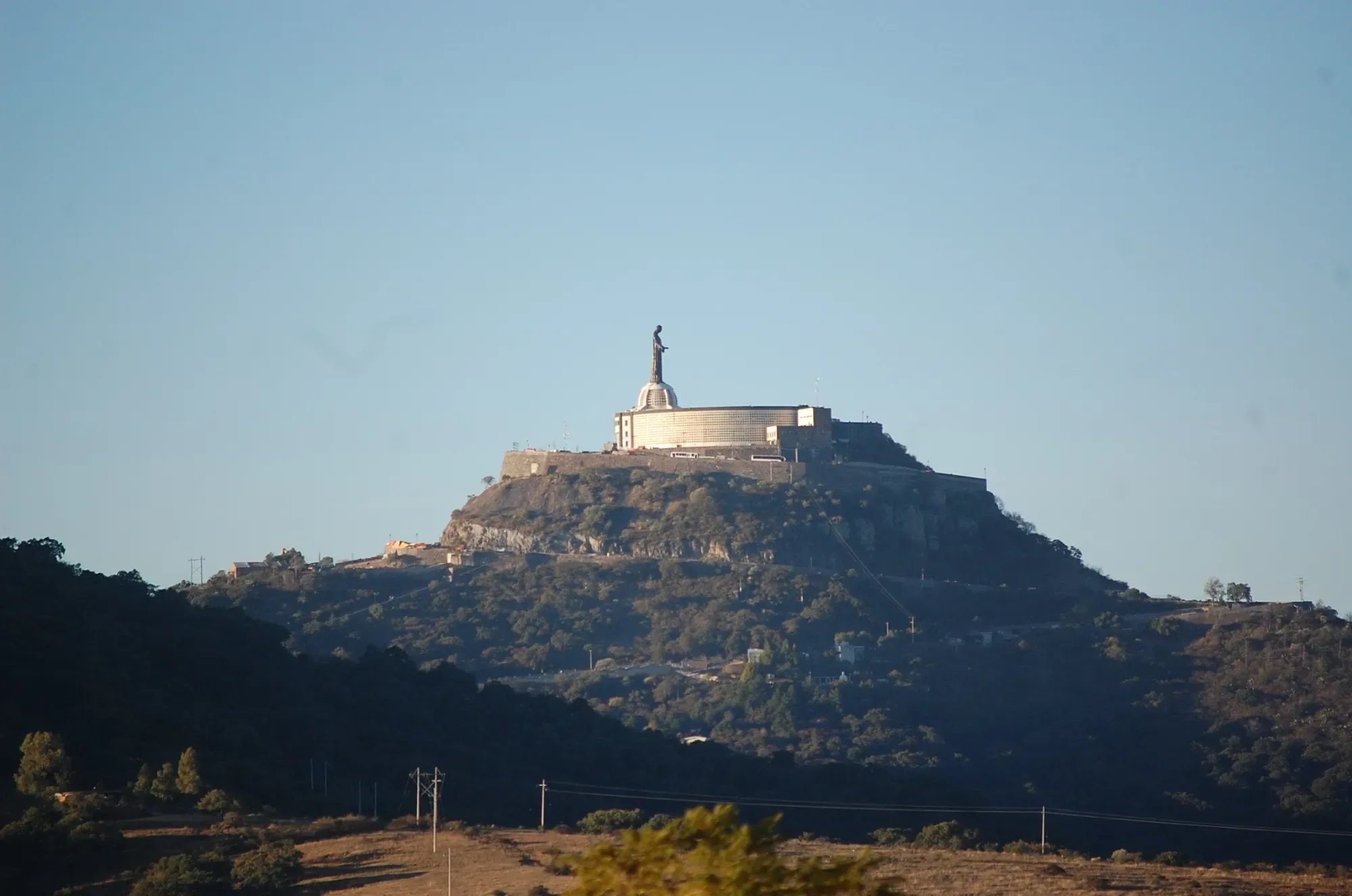
From January 3–11, 2028, this 9-day, 8-night horseback journey in Guanajuato combines a private riding adventure with participation in Mexico’s long-standing equestrian pilgrimage to Cristo Rey. The tradition, more than half a century old, brings riders to the monument on Cubilete Mountain, described in the program as the geographical center of Mexico.
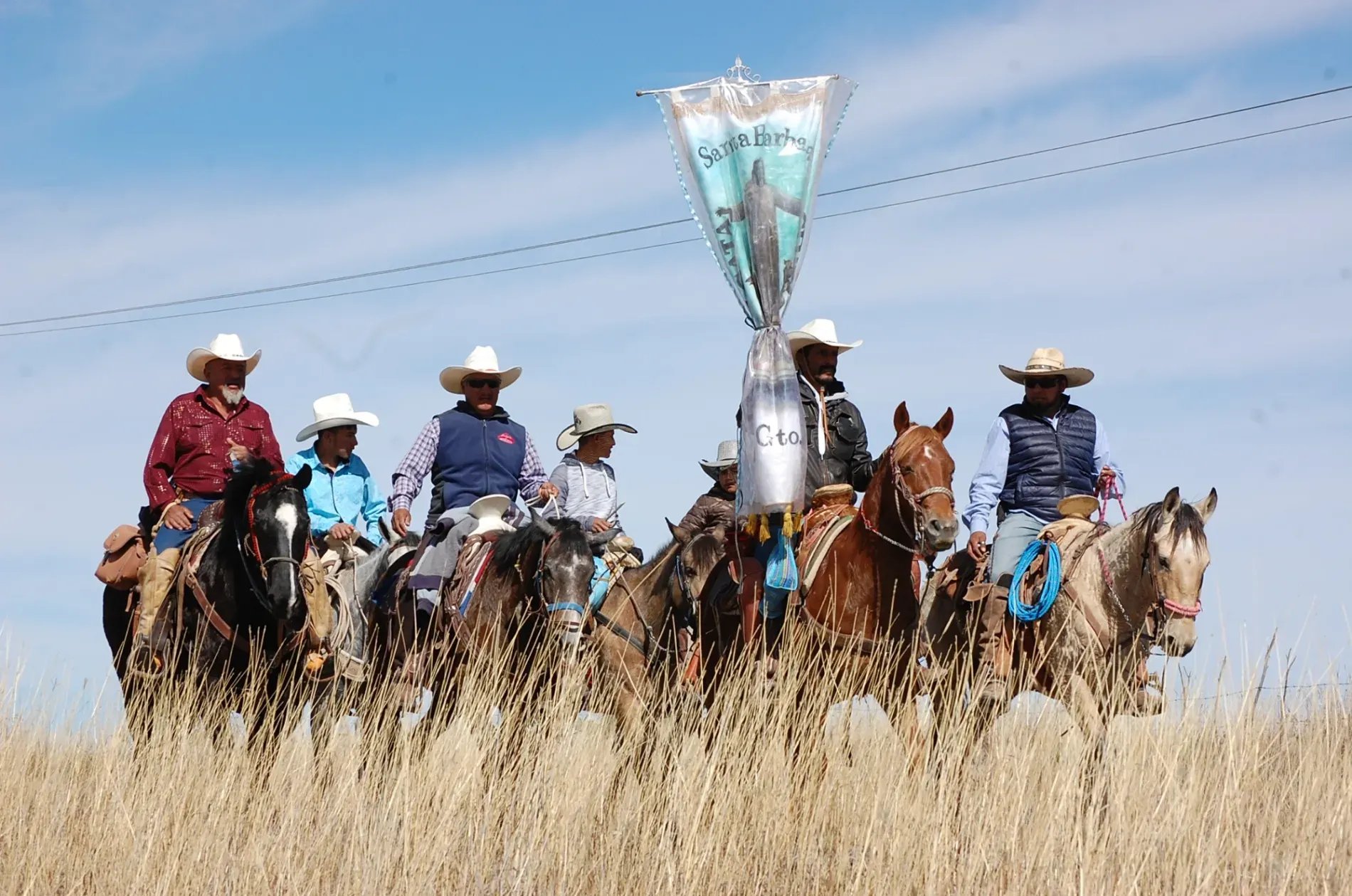
At least 4,000 Mexican riders are expected in 2028, including riders from the 46 municipalities of Guanajuato and other parts of Mexico. The program joins a contingent riding from El Torreón Village and offers a chance to share in local equestrian customs and the faith, food, music and hospitality surrounding the pilgrimage.
The program includes 6 days on horseback. The required level is intermediate: riders should be confident and safe in all three paces, able to mount and dismount without help, and able to lead a horse on foot. The listed terrain difficulty is 45% easy, 25% intermediate and 30% complex; physical effort is rated 65% easy, 30% moderate and 5% complex.
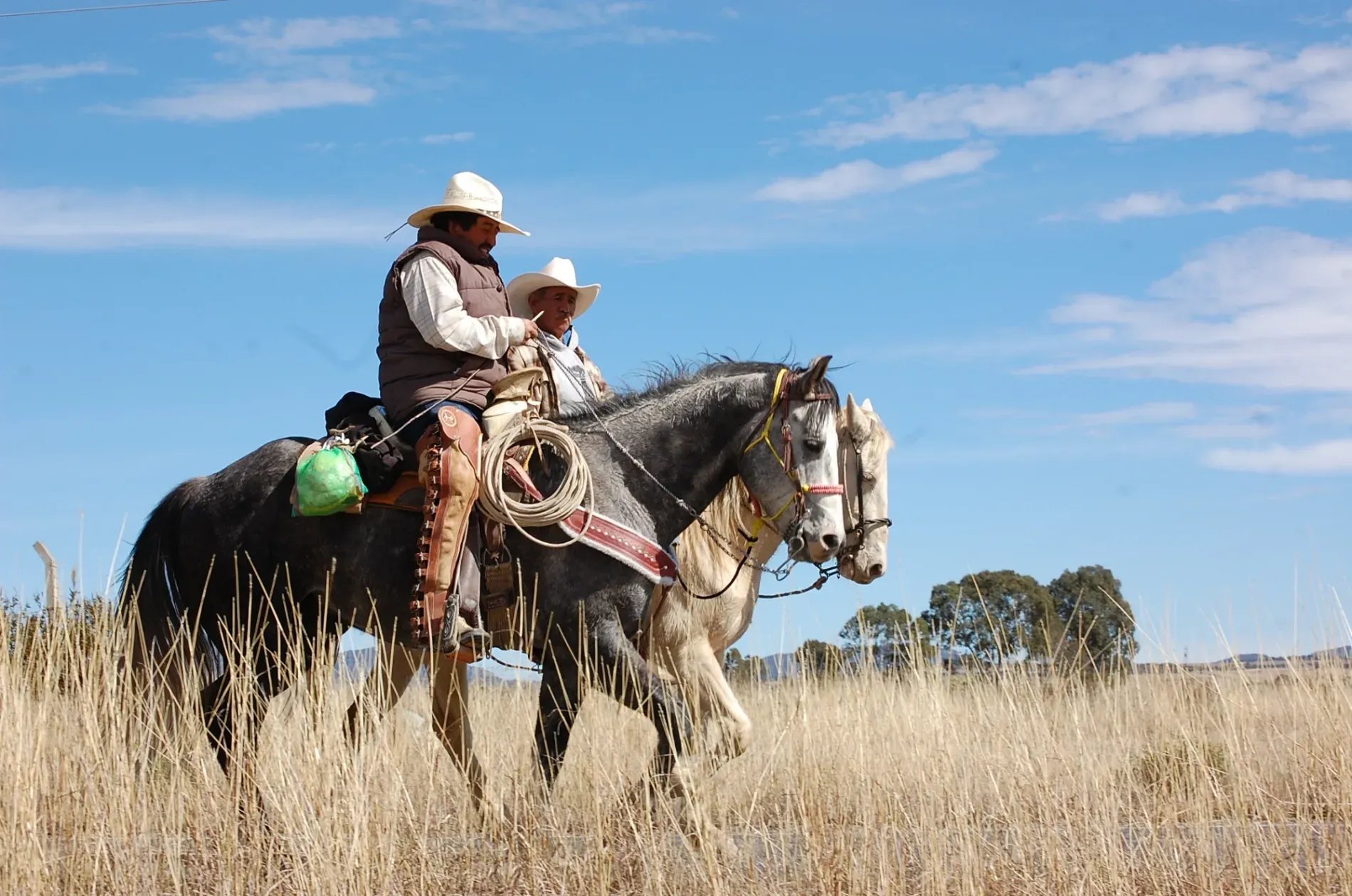
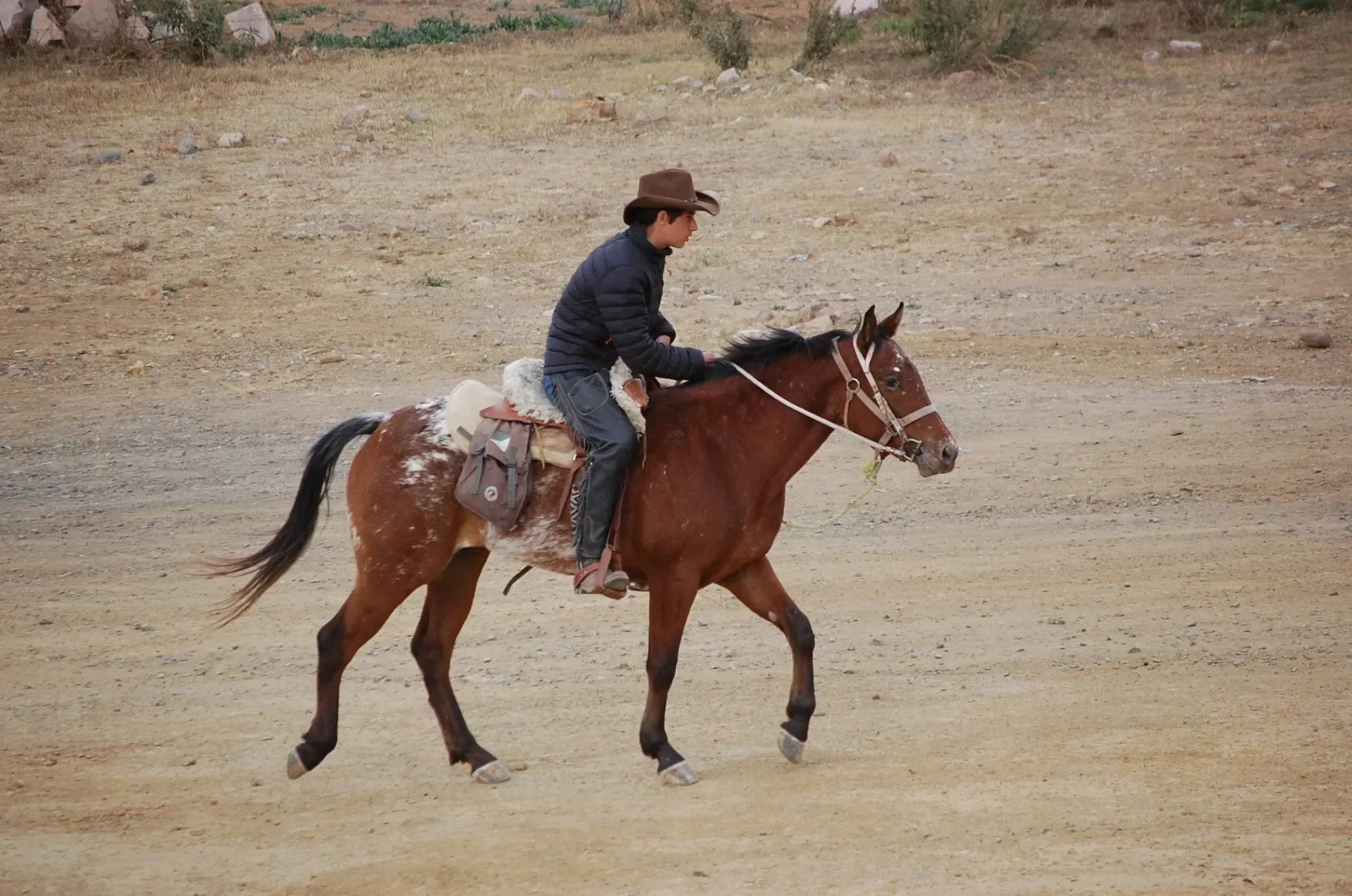
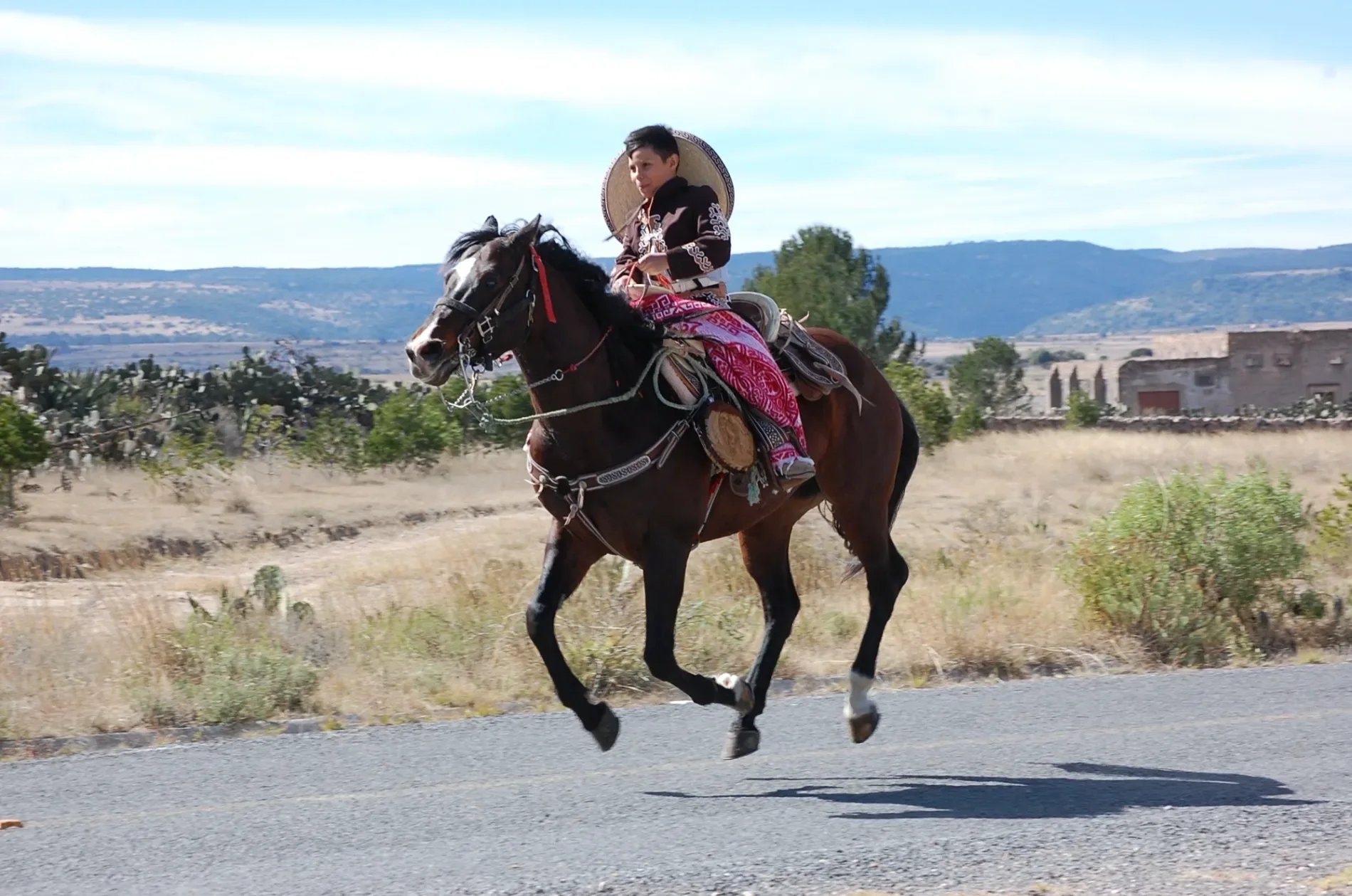
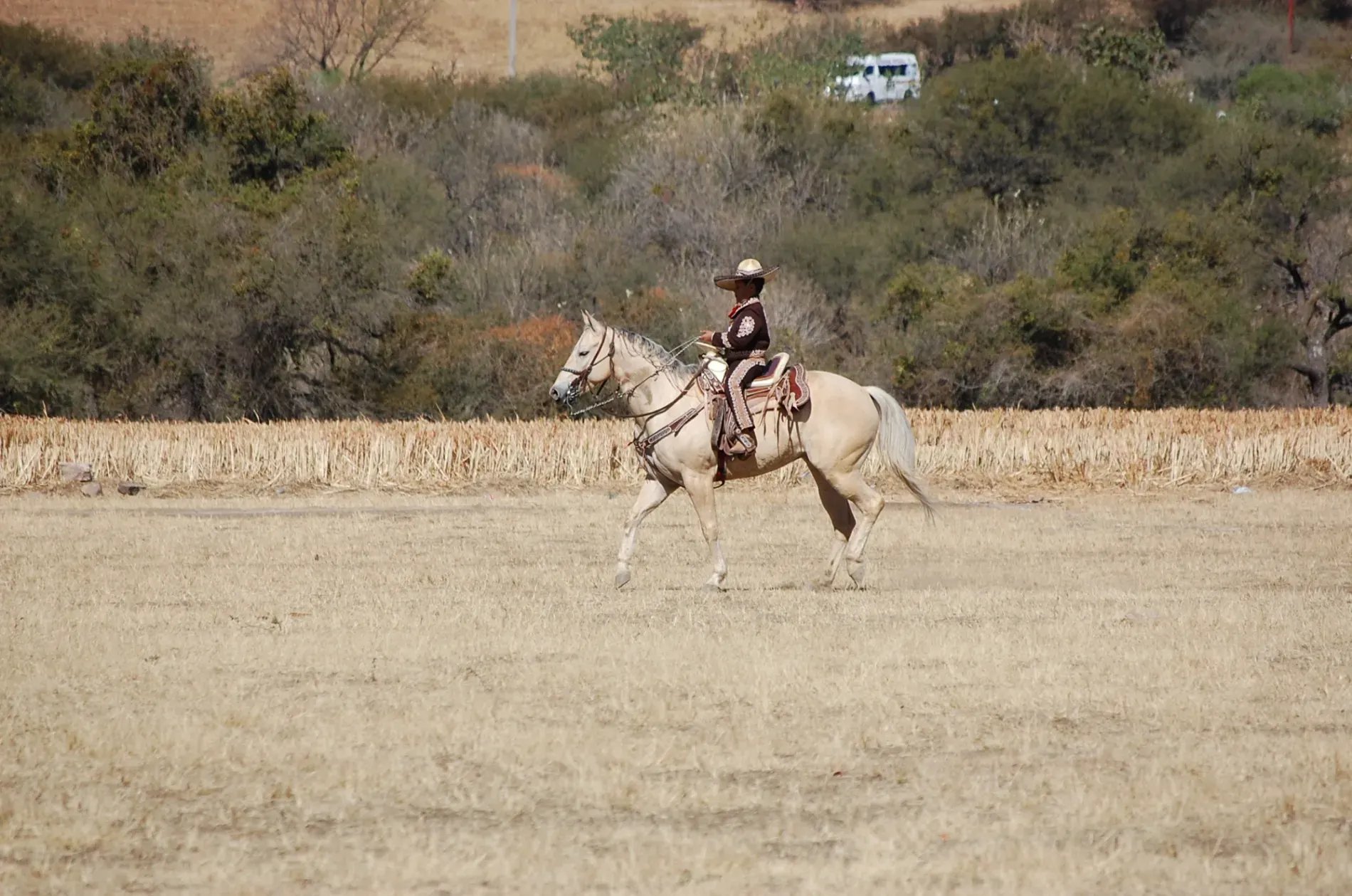
Riding includes walk, trot and some gallops. Horses are Aztec, Quarter Horse and Mexican Creole; saddles are Mexican and Western. A notable challenge during the pilgrimage is the ascent to Cubilete Mountain: 657 meters over 7.6 kilometers.
The route also crosses rural roads, mountain landscapes and forest. The El Varal nature reserve has Encino forest, native Madroño and Pinguica, and habitat for mammals including white-tailed deer, wildcat, cacomixtle, skunk and long-nosed bat. The area reports more than 170 bird species. The Springs Ancient Path passes a cavern with a spring and forest home to animals including puma, coyote, raccoons and armadillos.
January 3 — 12:30, León. Meet in the lobby of Hotsson Hotel, Blvd. Adolfo López Mateos 1102, Los Gavilanes, 37266 León, Guanajuato.
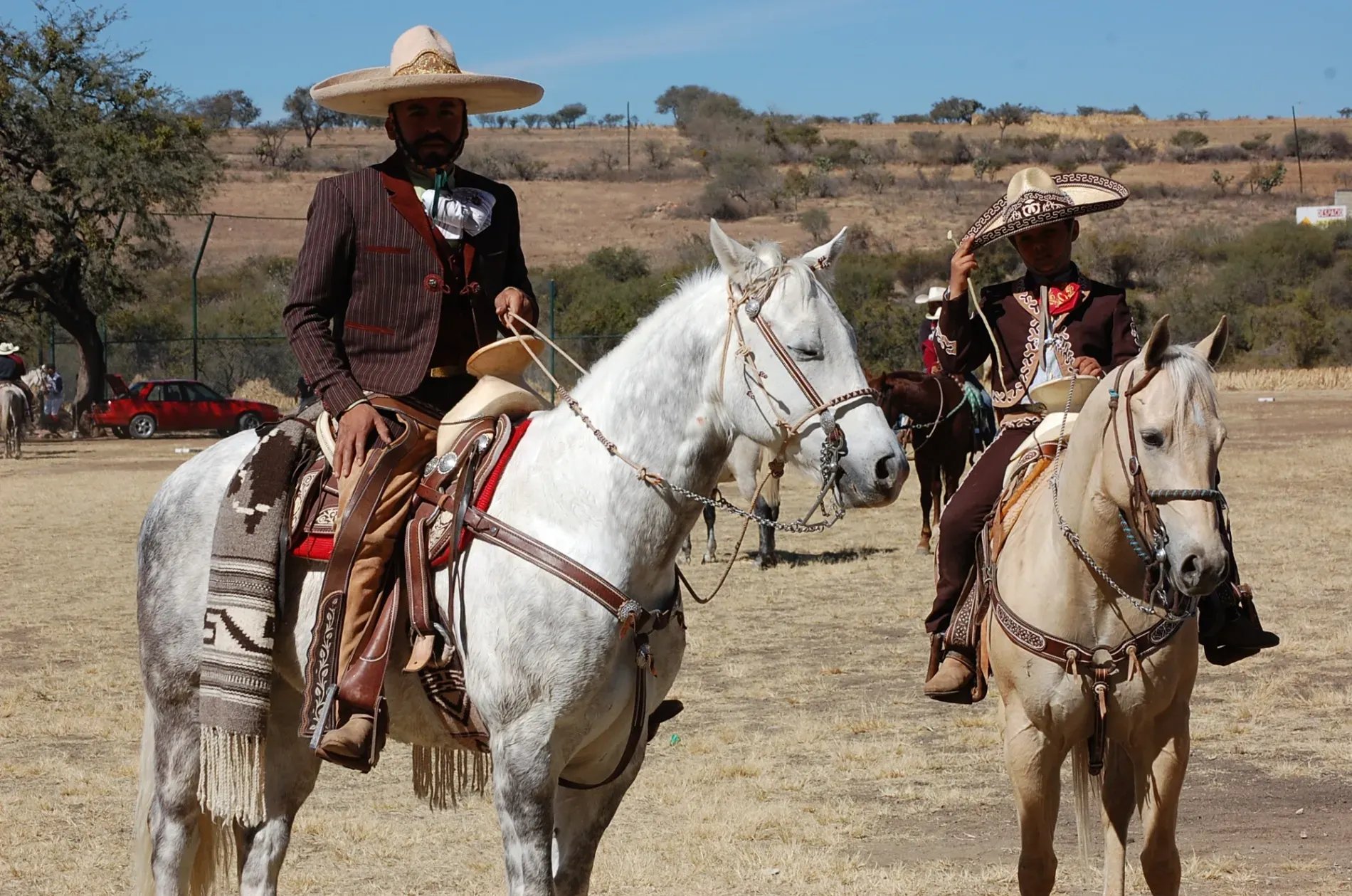
Visit a local saddlery shop featuring traditional clothing and equipment from Mexican equestrian culture. This is an opportunity to buy clothing for anyone who wishes to dress in the Mexican horseman style over the following days.
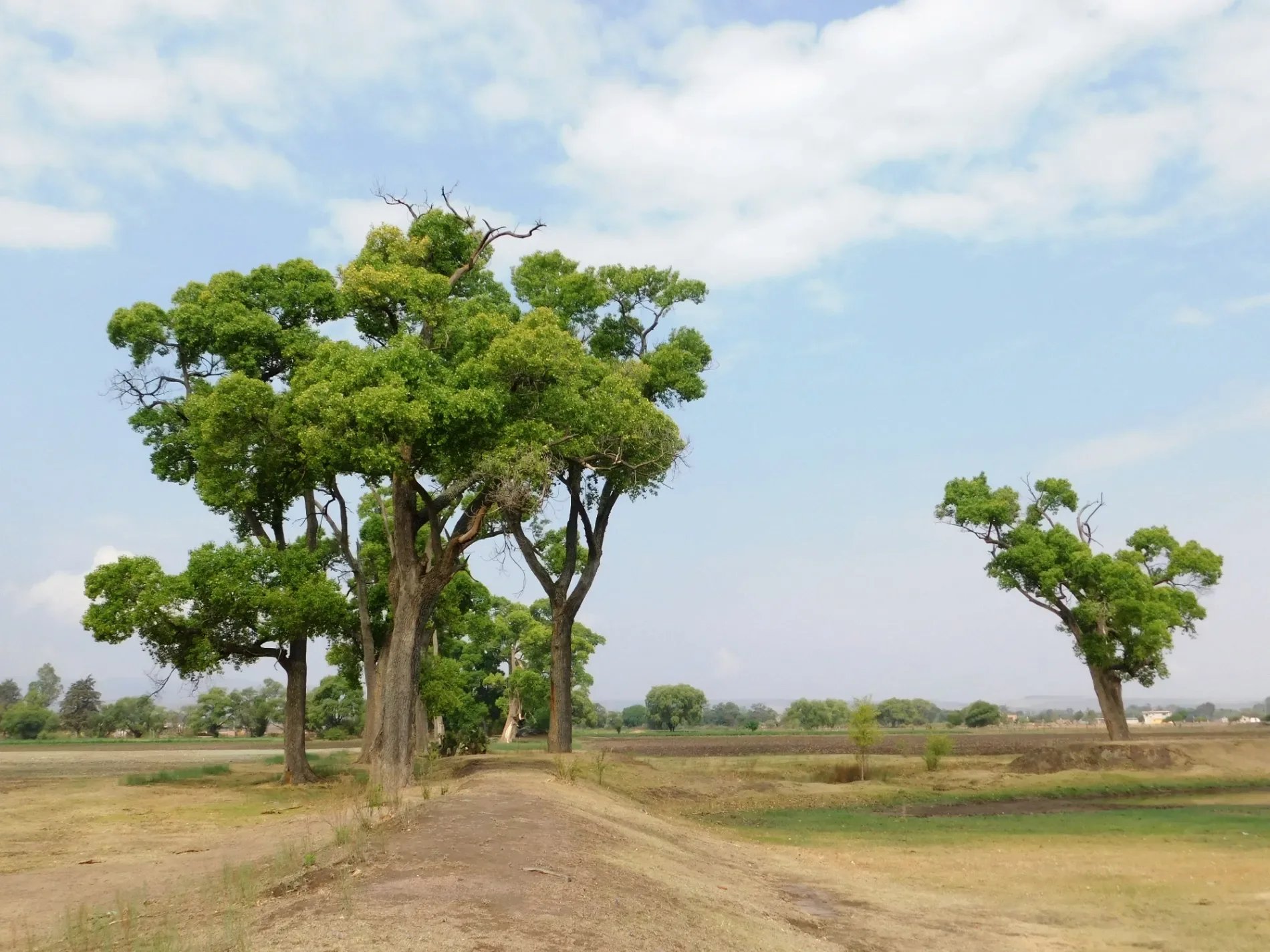
After the visit, travel by private car for about two hours to a former Jesuit hacienda in the mountainous Sierra de Lobos. The hacienda covers 2,650 hectares of beautiful landscapes and has more than three million native oak trees, some over 500 years old. Enjoy a welcome dinner and stay overnight.
Accommodation: Former Jesuit hacienda or similar. Meals: Dinner. Private transfer included.
January 4. After breakfast at the accommodation, transfer to the community of El Salto del Ahogado, where the horses will be waiting. Join the group of riders coming from El Torreón, who stop here to welcome you into their pilgrim contingent.
Depart on horseback toward Nuevo Valle de Moreno, riding ancient roads through the mountainous Santa Barbara area. On arrival in Nuevo Valle de Moreno, stay overnight and enjoy dinner with a local family who will welcome you into their home.
Accommodation: Camp with the pilgrim contingent. Meals: Breakfast at the accommodation, lunch on the trail, and a typical dinner in Nuevo Valle de Moreno. Private transfer included.
January 5. After a quick breakfast at the campsite before 5:00 a.m., be ready to saddle up before 6:00 a.m., long before dawn. Ride out together with hundreds of Mexican riders, their spurs and riding equipment glinting in the darkness.
Ride by starlight until the sky turns grey and pink, continuing as the sun rises over the hills. In the new daylight, see the immense number of riders traveling in the same direction, moved by their faith. Continue to Tuna Mansa on the slopes of Cubilete Mountain, considered the geographical center of Mexico.
Stop for lunch alongside hundreds of riders. The support team will prepare a typical meal, freshly cooked by local cooks. After lunch and a short break in a makeshift dining area, climb 657 meters over 7.6 kilometers to the Cubilete Mountain summit, where the Cristo Rey monument is located.
At the summit, gather among hundreds of horsemen and horses and meet the many groups of riders who travel from different parts of Mexico to assemble there year after year. Experience Mexican hospitality, with invitations to different campsites for food and drinks. Many local riders stay at the summit overnight before the main celebration. Transfer to comfortable accommodation a few kilometers away.
Accommodation: “Parador Sangre de Cristo” or similar; shared occupancy, with rooms separated for men and women. Meals: Breakfast, lunch, and dinner.
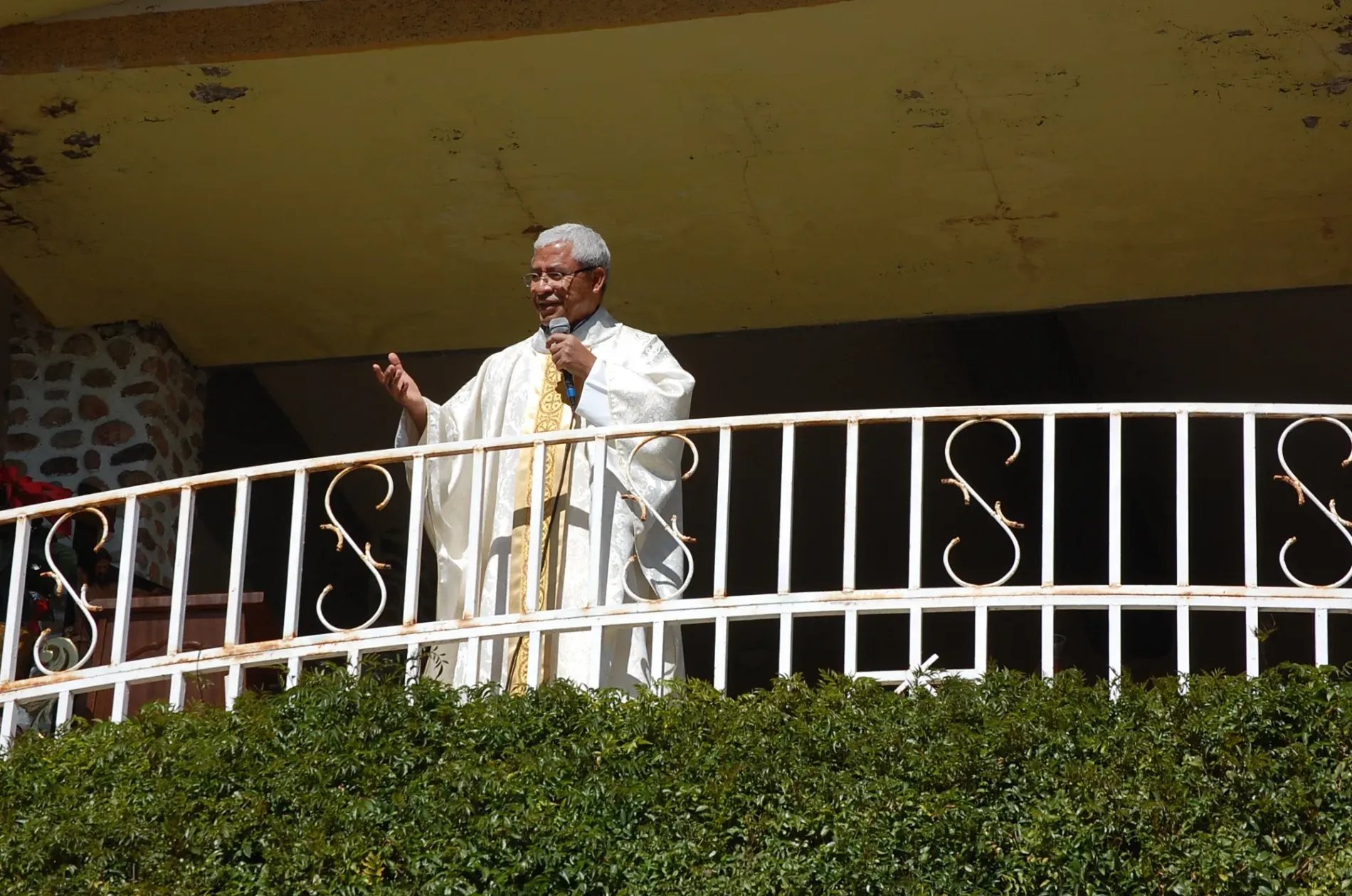
January 6. After breakfast at the Parador, attend Holy Mass in the presence of the Archbishop and more than 3,500 horses and riders. Share the experience of thousands of riders on horseback in the traditional local Ranchera style, participating with great devotion in this unique event.
Spend much of the day witnessing and experiencing the equestrian tradition, its faith, and Mexican culture, sharing the occasion with hundreds of riders from different parts of Mexico.
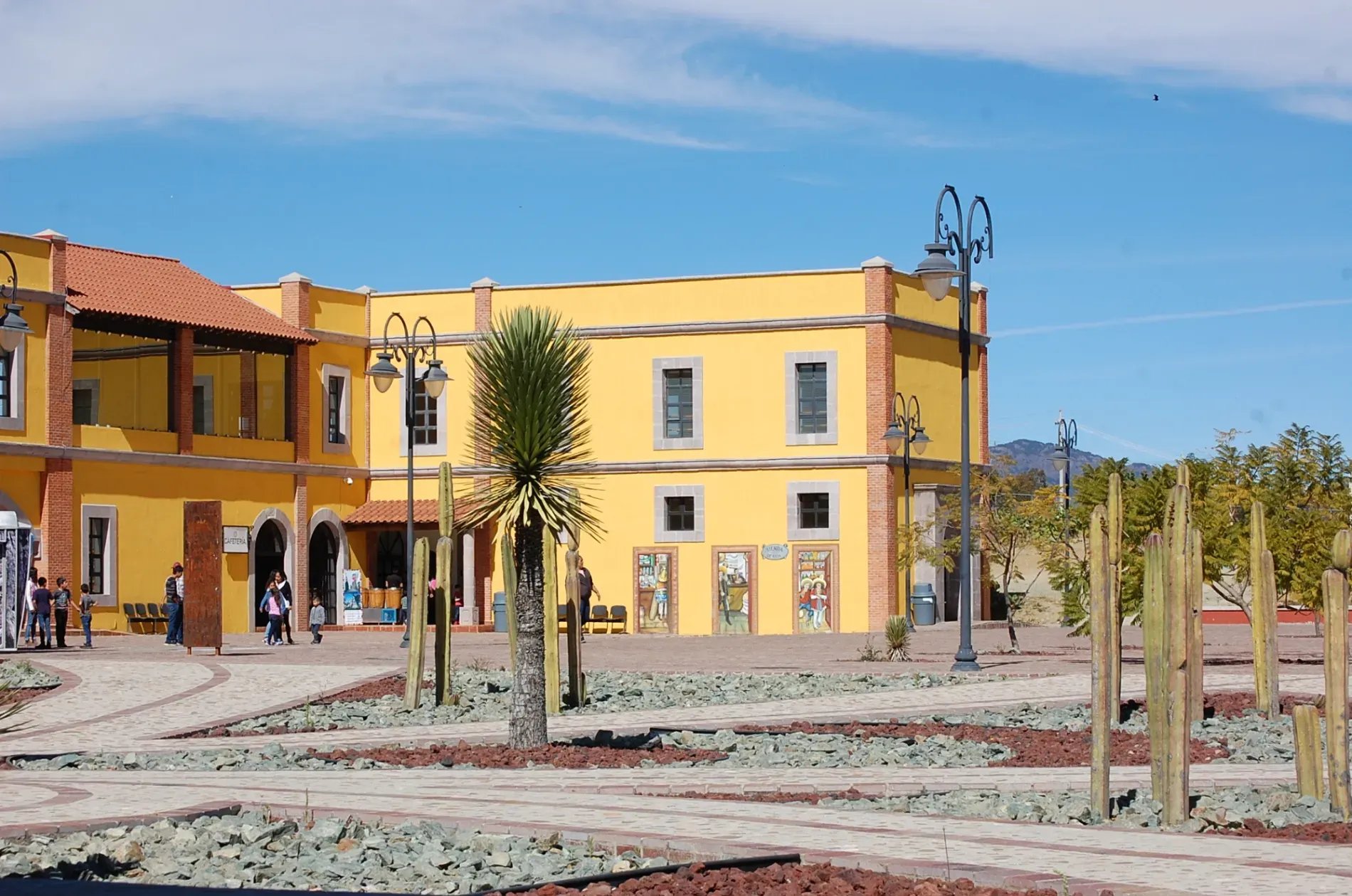
At lunchtime, enjoy typical regional food served by one of the best-known traditional cooks in the Sangre de Cristo area. After lunch, transfer to Hacienda Jesús María, a charming hotel in a historic setting and part of a sustainable tourist complex in the Sangre de Cristo community, alongside the Caminos D’vinos vineyard. It is a place to relax after long days on horseback.
Accommodation listed: “Parador Sangre de Cristo” or similar; shared occupancy, with rooms separated for men and women. The day’s program also describes a transfer to Hacienda Jesús María. Meals: Breakfast, lunch, and dinner.
January 7. After breakfast at the hacienda, the pilgrimage with thousands of local riders is concluded. Continue independently as “Our Private Adventure Group,” making a radial exploration of the area.
Take a horseback round trip through the area known as the Mystery Villages. Explore three old communities connected with three historical themes: the Chichimeca Indigenous people, the Cristero region and the old Cristero War that inspired Hollywood, and silver mining. Visit Sangre de Cristo, Mineral de la Luz, and San Ignacio, among the oldest communities in Guanajuato state, with great historical and cultural value. This was one of the region’s most prosperous mining enclaves.
At the end of the 19th century, the three villages became ghost towns. In the previous century, Mineral de la Luz had thousands of inhabitants and, among other things, its own bullring, tobacco factory, sugar plantations, and silver-processing haciendas. In 1929 the territory was reincorporated into the municipality of Guanajuato; today it has about 300 inhabitants.
Accommodation: Hacienda Jesús María or similar. Meals: Breakfast, lunch, and dinner.
January 8. After breakfast at the hotel, continue the journey on horseback toward El Varal, a nature reserve in northern Guanajuato state adjoining the rural communities of Joya de Lobos, Santa Rosa, La Concepción, and Los Mexicans.
The predominant vegetation is oak forest, combined with native species such as madroño and pinguica. The reserve is also habitat for mammals including white-tailed deer, wildcat, cacomixtle (ring-tailed cat), listed skunk, and long-nosed bat. More than 170 bird species have been reported, including Cooper’s hawk, peregrine falcon, and cuckoo owl.
Ride to the Valley of the Blue Birds, where camp will be set up in a magnificent natural setting. Spend the night in a safari-style camp in this natural paradise, with a ranchera barbecue, campfire, and guitars.
Accommodation: Camping. Meals: Breakfast, lunch, and dinner.
January 9. After breakfast at camp, accompanied by birdsong and spectacular views of the natural surroundings, ride on the final day on horseback to the rural community of Santa Rosa.
Follow the ancient Springs Path along a mountainous area and pass through a cavern containing a spring of crystal-clear water that filters through the Santa Rosa mountains. Continue ascending and descending through natural landscapes deep in the forest, home to many animal species, including puma, coyote, raccoons, and armadillos. On reaching Santa Rosa, enjoy lunch and end the horseback adventure.
Accommodation: Hotel Posada, Guanajuato. Meals: Breakfast, lunch, and dinner.
January 10. After breakfast at the hotel, take a walking tour to discover Guanajuato City, a unique city described in the program as Mexico’s most beautiful colonial city.
The area’s first known inhabitants were the pre-Hispanic Indigenous Otomi, later displaced by the Chichimeca. The Purépecha were also present, largely because of ancient trade routes. The oldest known name for the area is “Mo-o-ti,” meaning “place of metals.” The Aztecs later called it “Paxtitlán,” meaning “place of straw.” The current name, Guanajuato, comes from the Purépecha “Quanax huato,” meaning “hilly place of frogs.”
Mining took place here long before the Spanish arrived. In the late pre-Hispanic period, the Aztecs came to seek metals for ornamental objects for their political and religious elite. Stories from that period say the area was so rich in minerals that gold nuggets could be picked up from the ground.
Today Guanajuato is a colonial city with beautiful buildings reflecting the Indigenous and Hispanic cultures that shaped it and the origins of the Mexican nation. It preserves its architectural character and setting. In December 1988, UNESCO declared it the “Historic Town of Guanajuato and Adjacent Mines.”
Enjoy a farewell dinner at a traditional themed restaurant-cantina, where music creates the atmosphere for an authentic Mexican celebration.
Accommodation: Posada in Guanajuato or similar. Meals: Breakfast and farewell dinner; lunch is not included.
January 11. After breakfast at the hotel, the program ends.
Meals: Breakfast.