
Ceremonial Cultural Expedition
Riders of the Ancient Desert
Horseback expedition through Indigenous Central Mexico from Guanajuato to San Miguel de Allende, exploring agave traditions, ancient trails and desert landscape
Number of Nights: 8
Difficulty: Intermediate
Price: 4499 null
Location: Central Mexico
Riders of the Ancient Desert
Central Mexico, Mexico
Share with friends
Riding & Terrain Experience
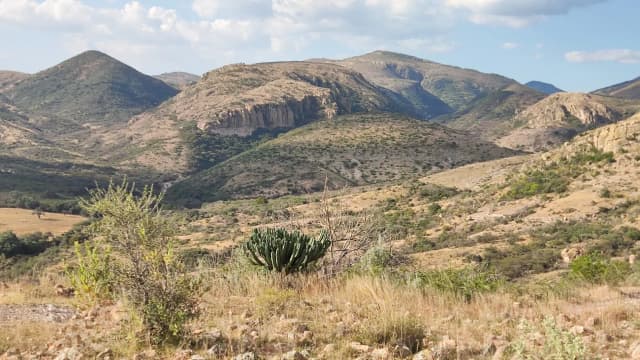
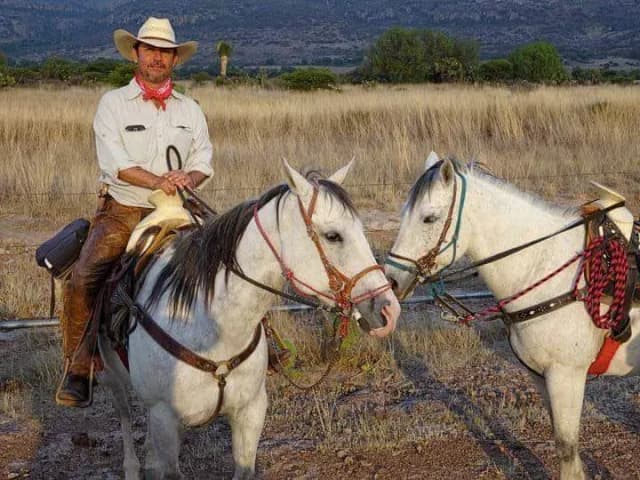
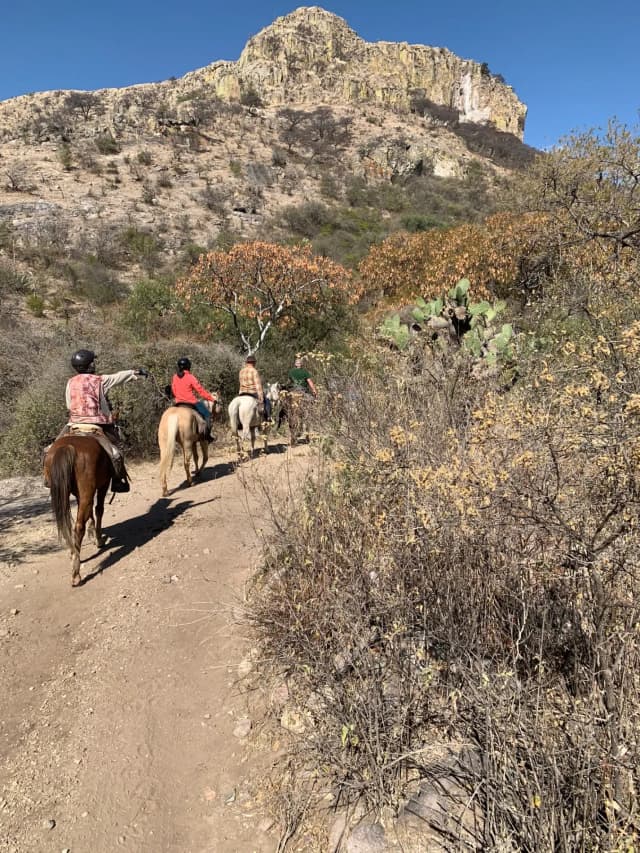
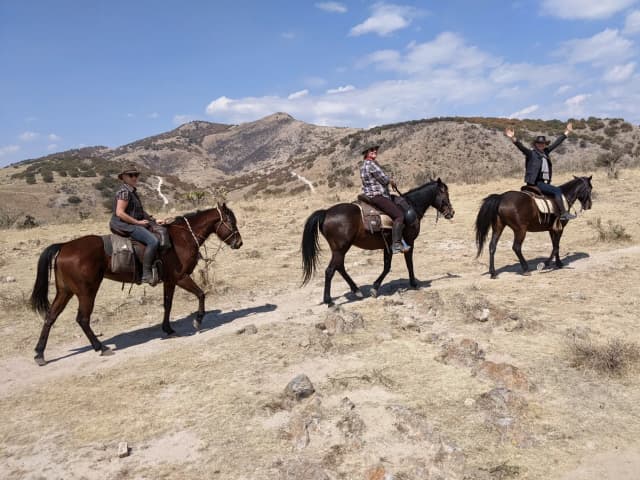
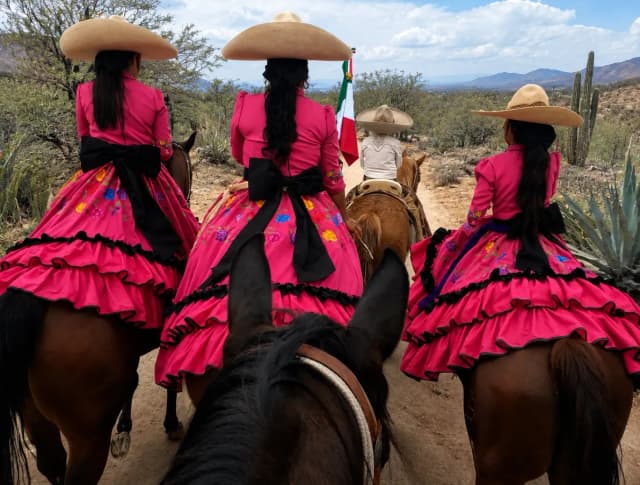
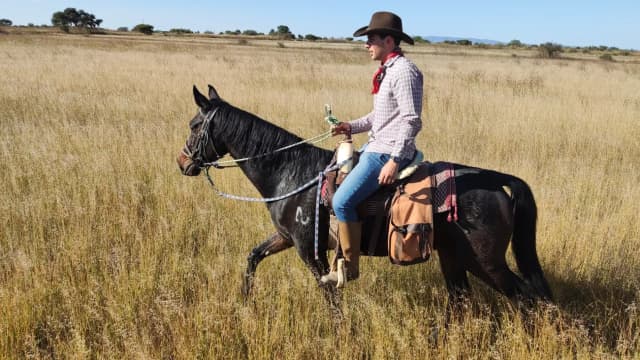
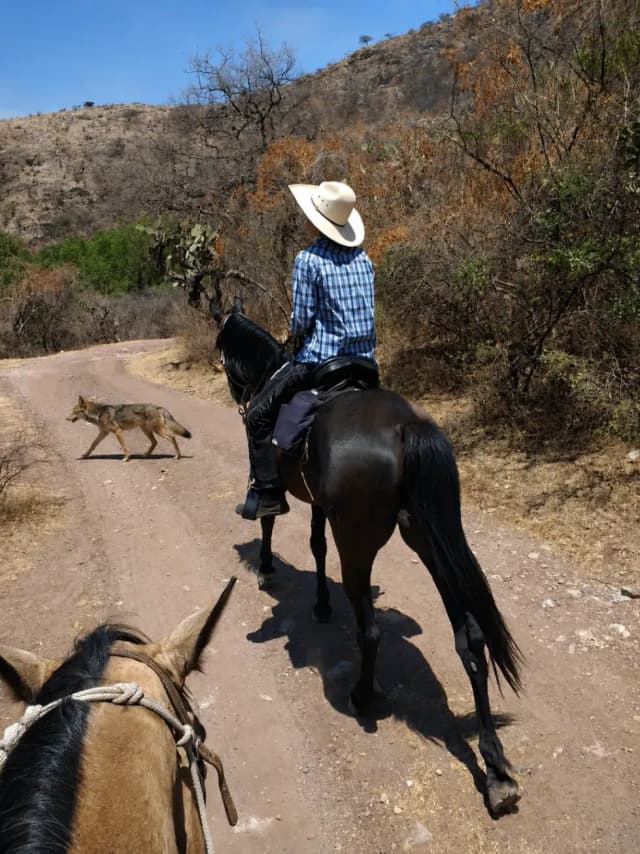
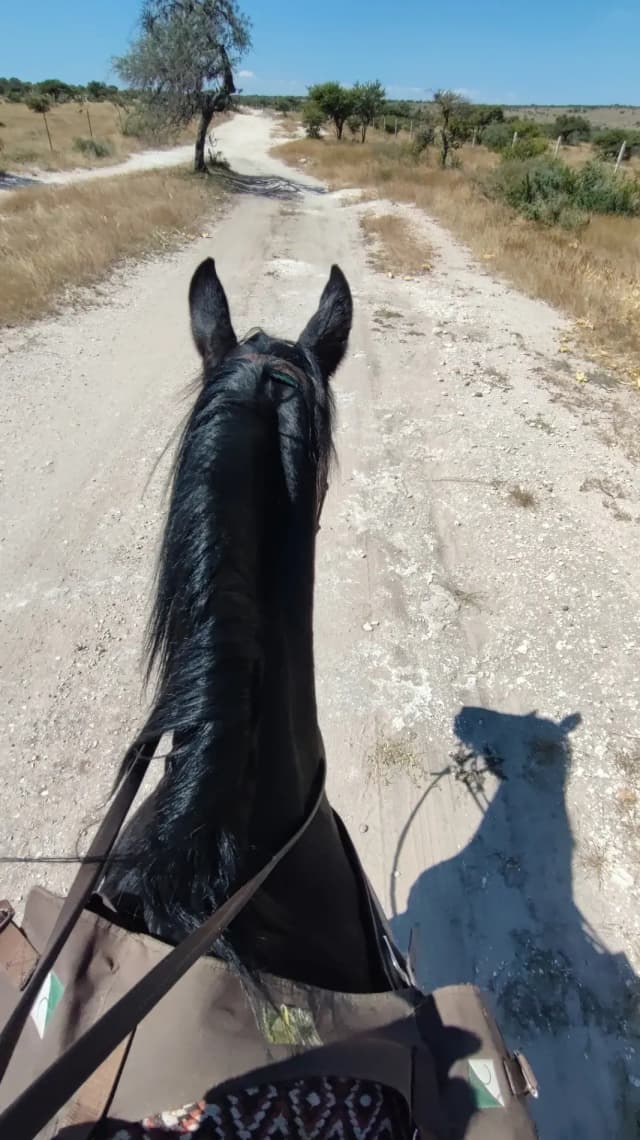
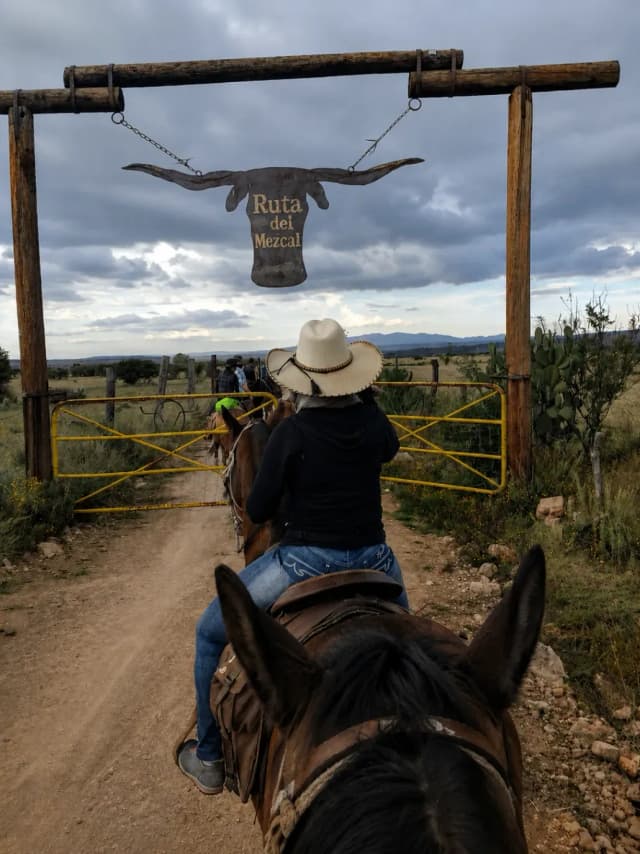
The expedition uses well-trained Mexican horses accustomed to mountain terrain, delivering a pace that allows horse and rider to work as a united team. Expect diverse terrains, including flat river valleys, rolling hills, ravines, and mountainous sections. Distances per day range from about 13 km to 37 km, with multi-day rides taking riders through canyon walls, forests, and open semi-desert landscapes.
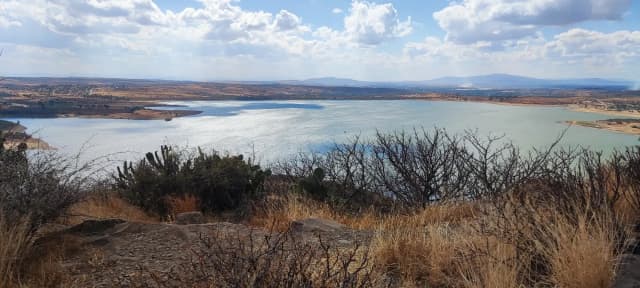
Riding highlights include crossing Rio Verde Canyon, passing through the Valley of the Cacti, and ascending through oak and pine forests high in the central highlands. The journey emphasizes a purposeful, low-impact ride experience where the horse sets the pace and the landscape shapes the day.
Cultural Context & Sacred Traditions
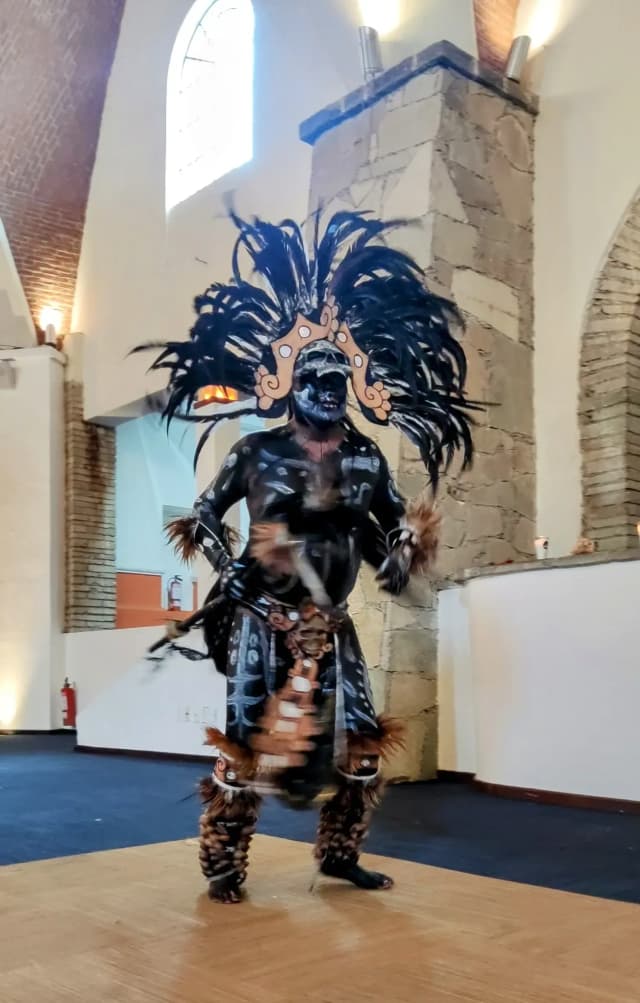
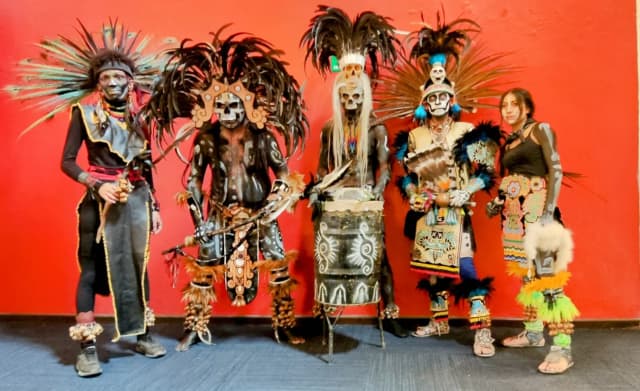
The narrative is rooted in Central Mexican Indigenous cultures, notably Otomi, Guamares, and Chichimecas. The landscape is linked to agave as a sacred plant, tied to Mayahuel, the goddess of fertility, and to the ritual beverages mezcal and tequila. Throughout the itinerary, guests encounter Indigenous symbolism through petroglyphs, sacred chapels, and visits to ceremonial sites such as Cañada de la Virgen, where temples align with celestial events.
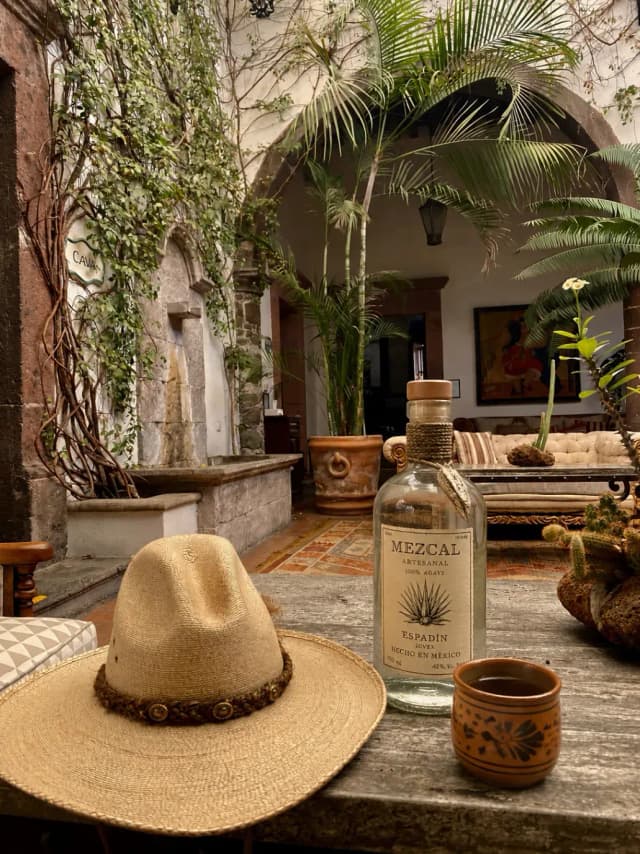
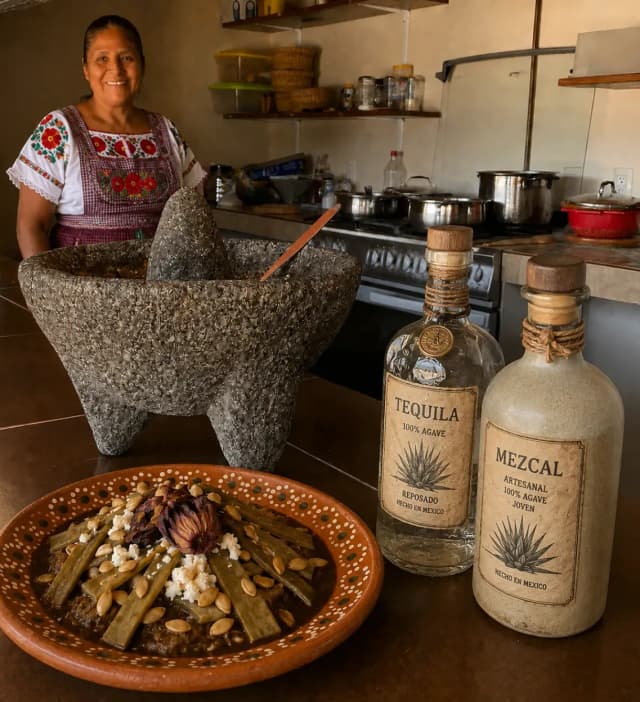
Experiences include tequila and mezcal tastings, learning about agave species, and exploring the spiritual connections between the land, the gods, and daily life of past and present communities.
Historic & Scenic Milestones
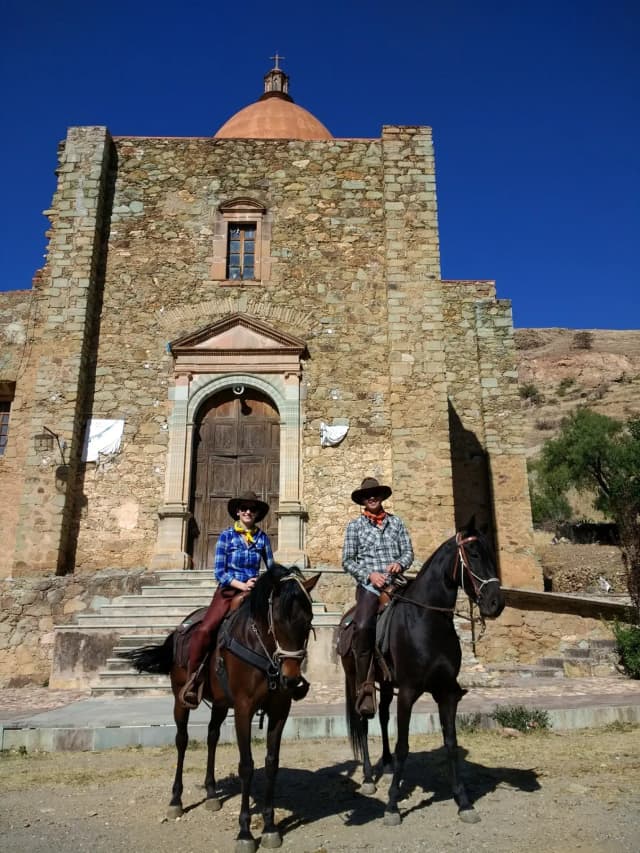
The route vividly pairs landscape with history: Guanajuato’s UNESCO-listed old town and underground tunnels, the Sierra de Guanajuato’s forests, the sacred Sanctuary of Jesus Nazareno and Indigenous Chapels in Atotonilco, the Valley of the Cacti, and the Otomí ceremonial center at Cañada de la Virgen. The final night in San Miguel de Allende, a UNESCO World Heritage Site, brings a reflective end to an expedition that ties horses, desert landscapes, and agave traditions into a single, unforgettable experience.
Guests will also hear legends such as the Chichimeca Warriors of Rio Verde, and may sense desert spirits in the wind as they ride through the canyon walls and open valleys.
Accommodations, Meals & On-Trail Living
Accommodations range from a Guanajuato hotel to glamping at Rancho Colomitos, mountain refuges like Picones, and a thermal-spring hotel in Atotonilco, culminating with a boutique hotel in San Miguel de Allende. Daily meals typically include breakfasts, lunches, and themed dinners (often pre-Hispanic, or tequila/mezcal tastings) with opportunities to sample regional specialties and artisanal products.
Key culinary experiences include a traditional pre-Hispanic dinner at Rancho Colomitos, multiple tequila and mezcal tastings, and desserts and ice creams featuring agave flavors in Dolores Hidalgo. The journey emphasizes cultural immersion through food and drink that connect the present with ancestral practices.
Overview of the Expedition
Riders of the Ancient Desert is an immersive, 9-day equestrian expedition across Central Mexico’s most authentic and least explored landscapes. Beginning in Guanajuato and ending in San Miguel de Allende, the journey combines long days in the saddle with encounters in a landscape steeped in Indigenous history, sacred agave culture, and desert scenery. Riders traverse oak and pine highlands, desert valleys, and ancient trails once used by Otomi, Guamares, and Chichimecas, following in the footsteps of travelers who navigated hidden rivers, ravines, and mountain passes long before modern roads.
Each day blends open mountain riding, river crossings, petroglyph and shrine visits, and culturally rich experiences such as tequila and mezcal tastings, as well as explorations of sacred sites and colonial heritage.
Summary
Riding - 9 days -
Terrain Difficulty - Easy
Pace - Steady
Mount Type - Western
Max. Weight - 100 kg
Accommodation - Other
Group Size - 4 min. - 12 max.
Season - All Year
Riding Level - Intermediate
Min. Age - 13 years, unless accompanied by an adult.
Included Items:
Welcome dinner
• Traslados internos necesarios durante el programa
• Apoyo para manejo de equipaje durante la travesía
• Caballos entrenados y equipo ecuestre para el caballo
• Guías especializados y apoyo logístico durante toda la ruta
• Alojamiento en base a ocupación doble, hoteles, refugios de montaña y glamping
• Alimentos incluidos según itinerario (desayunos, comidas tipo picnic y cenas seleccionadas)
• Degustaciones de tequila y mezcal vinculadas a la cultura del agave, en los dias indicados en el programa.
• Expedición ecuestre completa (6 días a caballo) a través de la Sierra de Guanajuato, cañadas, valles y desierto
• Experiencias culturales y visitas guiadas: o Petroglifos del Cerro del Sombrero o Cañada del Río Verde o Santuario de Atotonilco y Capillas de Indios o Zona arqueológica de Cañada de la Virgen
Not Included Items:
Transfer In
Transfer Out
• Cena del dia #5 •
• Ocupacion sencilla
• Seguro de viaje o gastos médicos
• Vuelos nacionales o internacionales
Gastos personales (propinas, compras, artesanías, etc.)
• Actividades opcionales o experiencias fuera del programa
• Traslado de llegada/salida (aeropuerto – punto de inicio / final)
• Bebidas alcohólicas adicionales fuera de degustaciones incluidas, mencionadas en el programa.
Itinerary
Guanajuato
Day 1 — Guanajuato, a city among mountains with Indigenous and Spanish origins
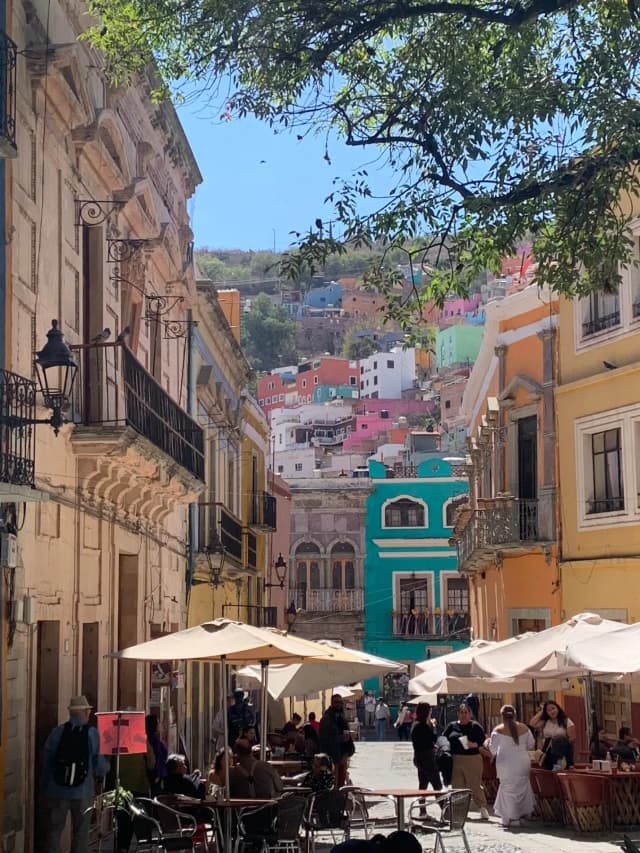
The program begins in the extraordinary city of Guanajuato, one of Mexico's most beautiful colonial cities and a UNESCO World Heritage Site. The city is surrounded by steep mountains and built within narrow ravines, creating a unique urban landscape where brightly colored houses rise along the hillsides.
The name Guanajuato comes from the Purépecha word Quanaxhuato, meaning 'mountainous place of frogs,' a reference to ancient rock formations resembling this animal, a symbol associated with water and fertility in several Mesoamerican cultures.
Long before the arrival of the Spanish, these mountains formed part of a territory inhabited by Indigenous peoples such as the Otomi and Chichimecas, who traveled for centuries through the ravines and mountains we will explore during our expedition.
In the afternoon, we will take a guided tour of the historic center, exploring its plazas, alleyways, and viewpoints. One of the most remarkable moments will be our descent into Guanajuato's underground tunnels, former river channels that were eventually transformed into passageways beneath the city. Walking through these tunnels is an almost mystical experience: long, dimly lit stone passageways where footsteps echo from the walls and the city's history seems to remain alive beneath the surface.
Accommodation: Hotel in Guanajuato
Meals included: Welcome dinner
Rancho Colomitos - Beginning of the Equestrian Expedition
Day 2 — Rancho Colomitos
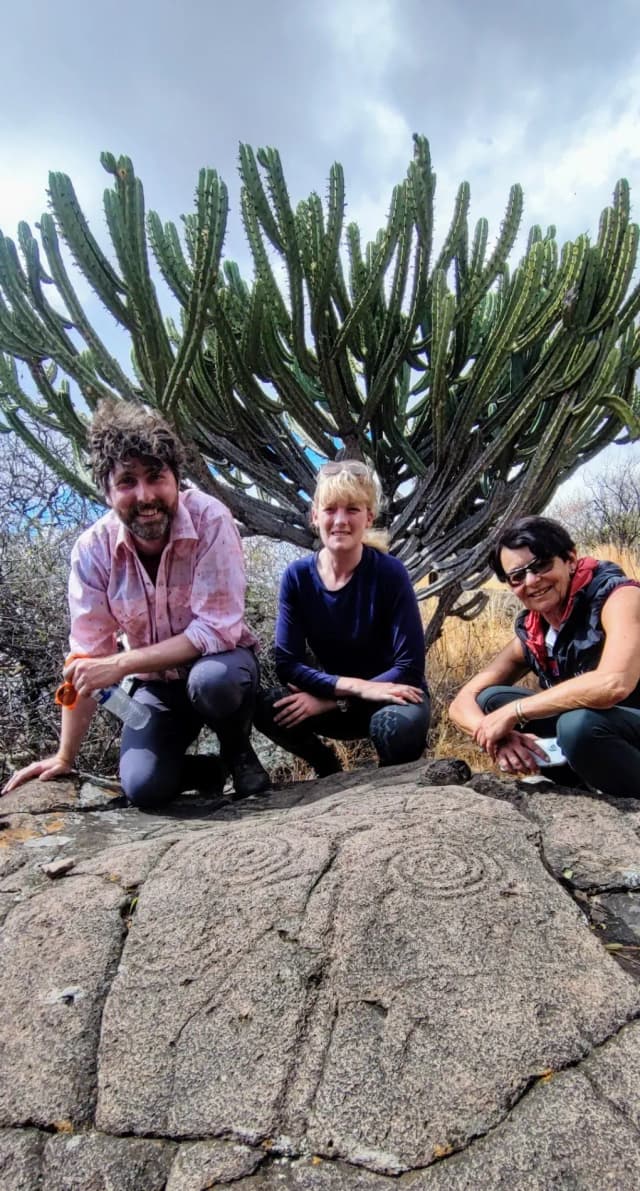
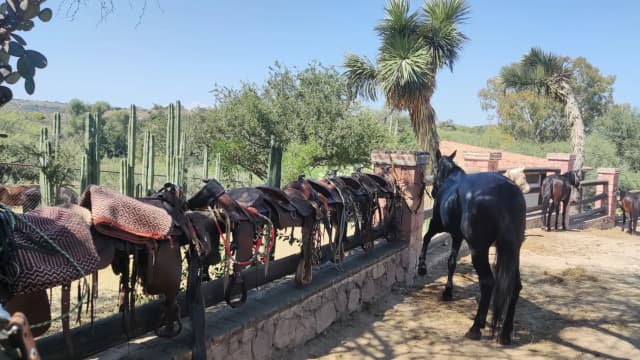
After breakfast, the group will be transferred to Rancho Colomitos, where the equestrian experience begins. Following the horse assignment, we will set out on an introductory ride through the rural landscapes surrounding the ranch. The route leads us toward Cerro del Sombrero, home to ancient petroglyphs carved into rock, traces of the Indigenous peoples who inhabited these mountains centuries ago. These geometric figures remain a mystery to archaeologists, although they are believed to represent spiritual symbols or maps of the territory used by the ancient Indigenous communities that lived in the area.
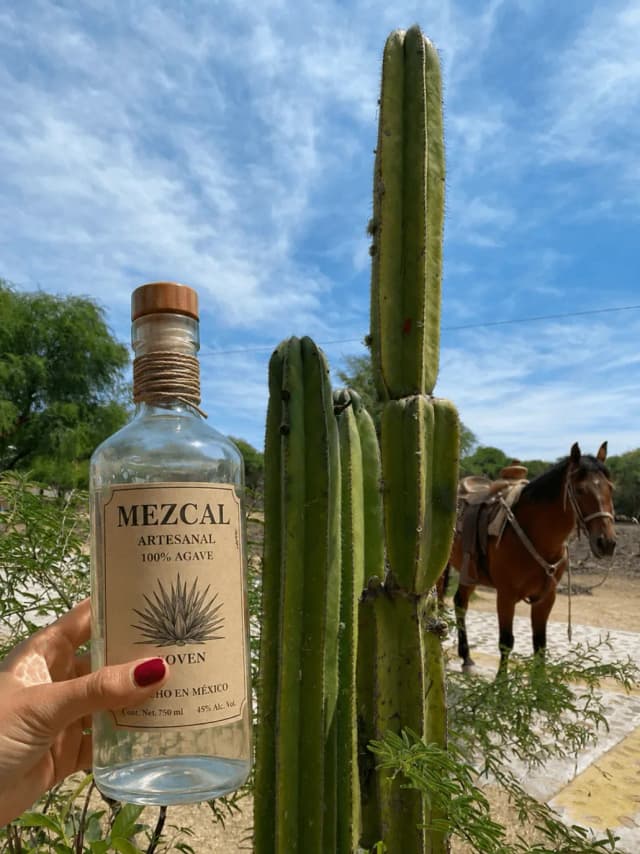
At the end of the day, we will return to the ranch for a traditional dinner inspired by pre-Hispanic cuisine. This culinary experience goes far beyond tasting ancestral recipes; it is a sensory journey to the roots of the great civilizations that flourished in Mexico thousands of years ago. Through native flavors, aromas, and ingredients, we will discover a culinary heritage that has endured over time and remains an essential part of Mexican cultural identity. The evening will also include a tequila and mezcal tasting, during which we will learn about the importance of agave to the cultures of Central Mexico and its evolution into some of Mexico's most emblematic beverages.
Accommodation: Glamping at Rancho Colomitos
Meals included: Breakfast, picnic lunch, and pre-Hispanic dinner
Distance: 13 km
Terrain: Flat terrain and rolling hills
Rio Verde Canyon
Day 3 — Rancho Colomitos - Rio Verde Canyon
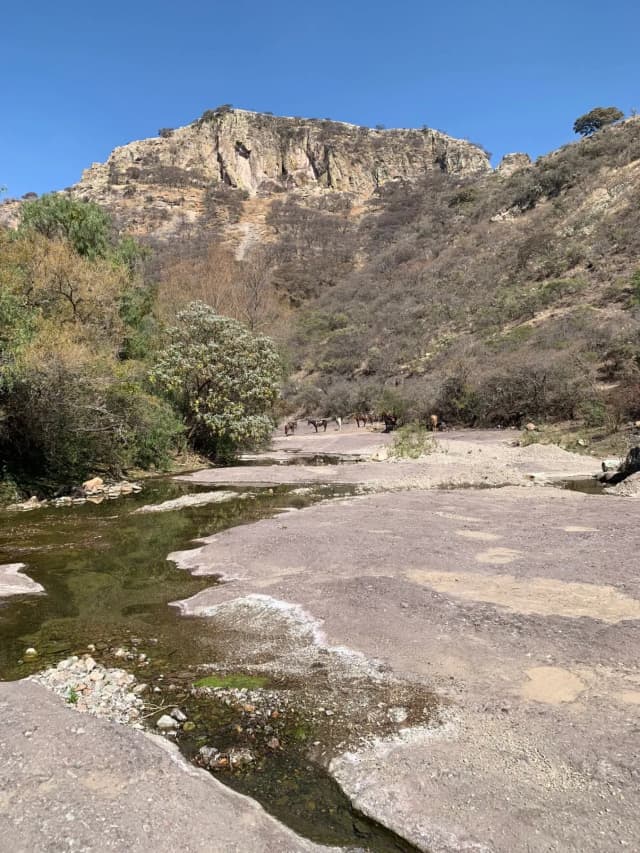
After breakfast, one of the expedition's most impressive days begins. The ride crosses rural communities before entering the spectacular Rio Verde Canyon, an imposing landscape where the canyon's natural walls surround the rider in an atmosphere of seclusion and grandeur.
The Legend of the Chichimeca Warriors
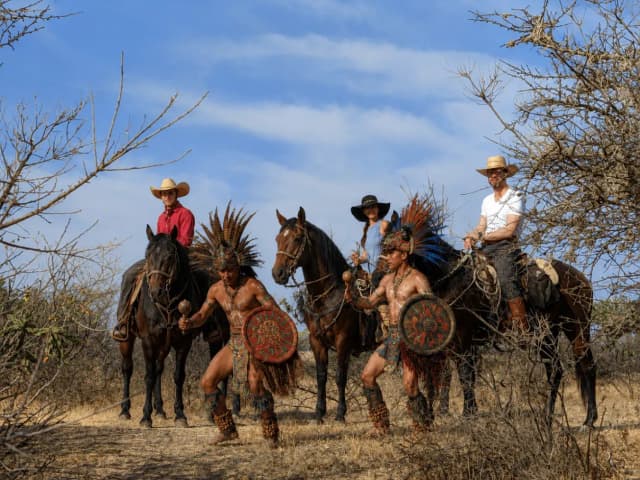
During the 16th century, these mountains were the setting of the Chichimeca War, one of the longest Indigenous conflicts against Spanish colonization. The Chichimecas were extraordinary desert warriors who knew every ravine and trail in these mountains.
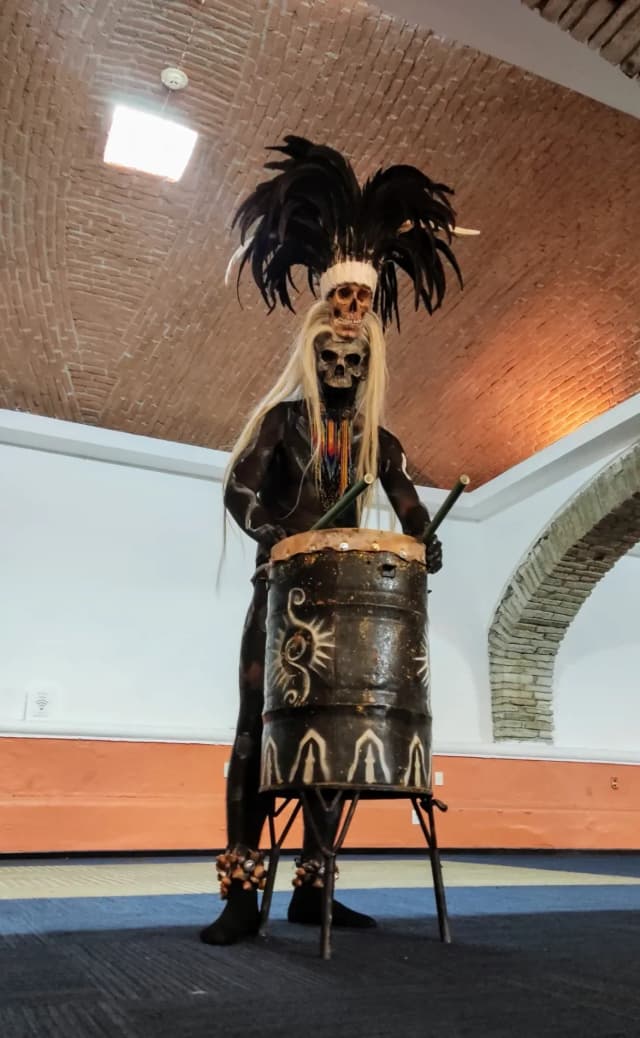
An ancient tradition holds that, on full-moon nights, the spirits of these warriors still roam the mountains of Rio Verde, watching over the land they once defended. Residents of nearby communities say that when the wind blows between the canyon walls, one can hear the echo of ancient drums or the distant gallop of invisible horses, while the Rock of a Thousand Faces seems to come alive.
During the river crossing, those who wish may cool off in a natural pool. At the end of the day, our horses will rest in the community of Calderones while the group transfers to the city of Guanajuato.
Accommodation: Hotel in Guanajuato
Distance: 21 km
Terrain: Flat terrain, ravine, and mountains
Meals included: Breakfast, lunch, and dinner
Sierra de Guanajuato / Picones
Day 4 — Guanajuato - Santa Rosa (Picones)
After breakfast, we will resume our ride toward the mountains of the Central Highlands, a region that for centuries formed part of the natural routes used by Indigenous peoples of northern Mesoamerica. As we leave the valleys near the city behind, the trail begins to climb through oak and pine forests, following ancient mountain paths across one of Central Mexico's most impressive landscapes. From the heights, sweeping views open over deep ravines and mountain ranges extending to the horizon.
For centuries, these mountains were inhabited by Indigenous peoples whom the Spanish collectively called Chichimecas, including the Guamares and Zacatecos. These communities developed an extraordinary ability to adapt to the mountainous and semi-desert environment, moving skillfully along narrow trails, mountain passes, and hidden ravines. For these peoples, the mountains were not only a place of survival but also sacred sites inhabited by the spiritual forces of nature. Peaks, springs, and certain rock formations were regarded as points of connection between the human and spiritual worlds.
Riding along these trails, it is easy to imagine the hunters, traders, and warriors who traveled them centuries ago and knew every corner of the mountains intimately. During the day, we will also begin to see different varieties of wild agave growing on the dry mountain slopes. Since pre-Hispanic times, local communities have used these plants for food, fiber, and traditional beverages. At the end of the day, we will arrive at Picones, a mountain refuge surrounded by nature, where the silence of the highlands and the fresh air invite us to rest after an intense day in the saddle.
In the evening, we will share a second tequila and mezcal tasting, an experience offering a deeper understanding of agave culture. We will learn about the differences among agave species, traditional cooking, fermentation, and distillation methods, and the role these beverages have played in the cultural and social life of Central Mexican communities.
Accommodation: Picones mountain refuge
Meals included: Breakfast, lunch, and dinner
Distance: 27 km
Terrain: Mountainous
Dolores Hidalgo
Day 5 — Picones - Dolores Hidalgo
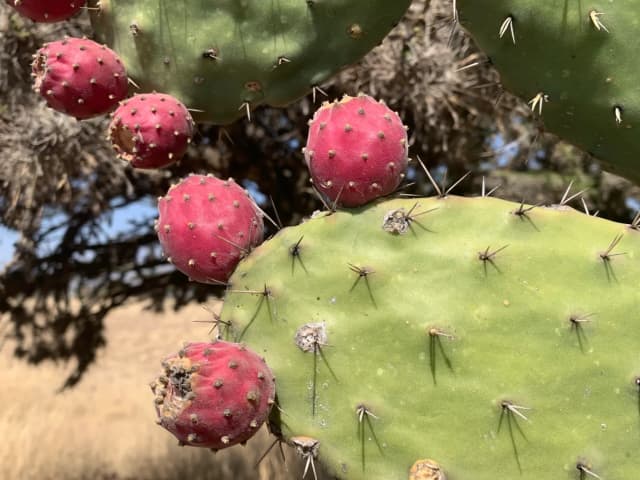
The ride continues into one of the most remote areas of the Central Highlands, following ancient mountain trails that for centuries connected valleys, ravines, and scattered settlements across Central Mexico. The landscape changes constantly throughout the day. Oak and pine forests on the higher slopes gradually give way to more open semi-desert areas, where wild agaves, prickly pears, and cacti begin to appear - plants deeply connected to the lives of this region's Indigenous cultures. For the Indigenous peoples of the central highlands, these plants were an essential source of food, medicine, and materials for daily life. Agave in particular was regarded as sacred and, in Mesoamerican mythology, associated with the goddess Mayahuel, guardian of maguey and of the ritual beverages made from it.
At the end of the day's ride, we will transfer to the historic city of Dolores Hidalgo. The change of scenery, from the open wilderness of the highlands to the city's cultural life, provides a welcome moment of rest after an intense day in the saddle.
Accommodation: Hotel in Dolores Hidalgo
Distance: 37 km
Terrain: Mountainous
Meals included: Breakfast, lunch, and dinner
Dolores Hidalgo - History, Traditions, and Flavors of Central Mexico
Day 6 — Dolores Hidalgo
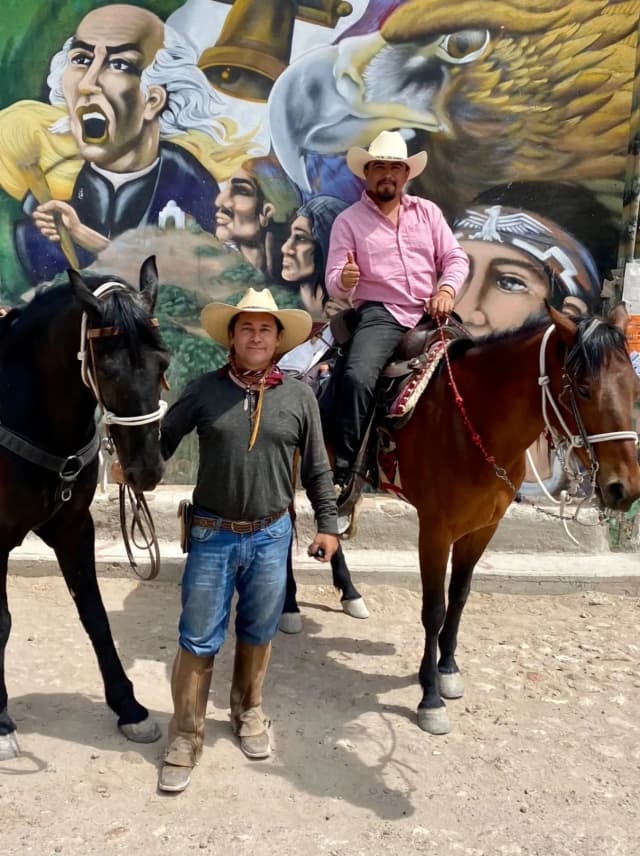
The day begins with a ride toward the historic center of Dolores Hidalgo, a city deeply connected to Mexico's history and cultural identity. Dolores Hidalgo holds a special place in the country's history because it was here, in 1810, that the priest Miguel Hidalgo y Costilla began the movement that would lead to the Mexican War of Independence. Walking or riding through its plazas and streets makes it possible to imagine the decisive moment that transformed Mexico's destiny.
Yet the history of this place is even older. Before the colonial period, the region formed part of territories inhabited by Indigenous peoples of Central Mexico, particularly Otomi communities, who developed a close relationship with the highland landscape and its natural resources.
After the day's ride, participants will have free time to explore the city at leisure. Dolores Hidalgo is also famous for its artisanal traditions, particularly ceramics and pottery, whose workships still preserve techniques passed down through generations. Along its streets and plazas are small shops, markets, and cafes where visitors can discover the region's distinctive flavors. One of the city's best-known delights is its surprising tradition of artisanal ice cream, featuring unusual combinations inspired by local ingredients. Here we will have the opportunity to sample some of the most famous flavors, including tequila, mezcal, and agave ice creams - a refreshing experience that reconnects us with the maguey culture that has accompanied our journey from the beginning.
The afternoon is free to enjoy the city's relaxed atmosphere, stroll through its plazas, or simply rest before continuing the expedition.
Accommodation: Hotel in Dolores Hidalgo
Distance: 21 km
Terrain: Flat terrain and urban riding
Meals included: Breakfast and lunch * Dinner not included
Valley of the Cacti - Atotonilco
Day 7 — Dolores Hidalgo - Atotonilco
The Valley of the Cacti and the Ancient Traditions of the Desert
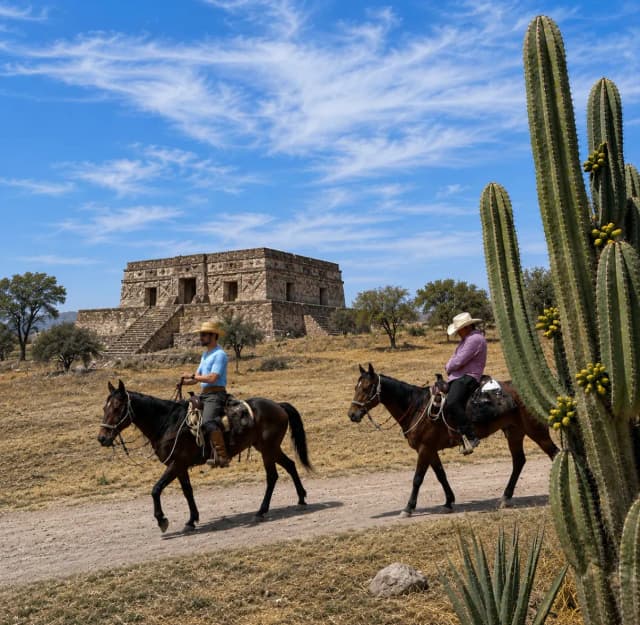
Today's journey takes us from Dolores Hidalgo to Atotonilco through one of Central Mexico's most fascinating semi-desert landscapes. The ride enters the impressive Valley of the Cacti, an open landscape where enormous prickly pears, barrel cacti, and century-old agaves dominate the horizon. Riding through this scenery creates a sense of freedom that is difficult to describe: the horse's unhurried pace allows us to explore natural trails and ancient rural tracks that cannot be experienced in any other way.
It is precisely this way of traveling - on horseback - that makes it possible to venture deep into the valley, following routes used for centuries by Indigenous communities, shepherds, and desert travelers. The connection between rider, horse, and landscape transforms the journey into an authentic experience, where the silence of the desert, the sound of the wind, and the rhythm of the ride create an almost timeless atmosphere.
The Legend of the Desert Spirits
The Indigenous peoples of Central Mexico believed these lands were inhabited by guardian spirits of the desert, protectors of hidden springs, animals, and sacred plants such as the agave. According to traditions passed down through generations, those who travel these lands with respect may sense their presence in the wind sweeping across the valleys or in the profound silence of the mountains. Many of our riders say they feel something special while crossing these open landscapes, as if the desert still preserves the memory of those who inhabited it centuries ago.
We continue until we reach Atotonilco, a name of Nahuatl origin meaning 'Place of Hot Waters' or 'Where the Thermal Springs Rise.' For the Indigenous peoples of Mesoamerica, thermal springs were far more than a natural resource; they were sacred spaces associated with healing, purification, and spiritual balance. Their properties were believed to restore the health of both body and spirit, making them places of great cultural and ceremonial importance. The name Atotonilco therefore reflects not only a geographical feature, but also the profound bond its ancient inhabitants maintained with nature and its healing forces.
Accommodation: Thermal-spring hotel in Atotonilco
Meals included: Breakfast, lunch, and dinner
Distance: 27 km
Terrain: Flat terrain with some rolling hills
Cañada de la Virgen - The Sacred Observatory of the Otomí of Central Mexico
Day 8 — Cañada de la Virgen
After breakfast, it is time to say goodbye to our horses. We will travel by vehicle to one of Central Mexico's most fascinating and popular archaeological sites: Cañada de la Virgen. Set amid gentle hills, agaves, and semi-desert vegetation, this ancient ceremonial center was built more than a thousand years ago by peoples related to the Otomi, who widely inhabited the central highlands before the rise of the Aztec Empire. Unlike the great Mesoamerican cities, Cañada de la Virgen was conceived as a ceremonial and astronomical center, carefully oriented toward celestial phenomena. Its temples and platforms were aligned with events such as the equinoxes and lunar cycles, enabling its inhabitants to observe the movement of the sun and stars and organize their agricultural and ceremonial calendar.
During the visit, we will walk along the trail leading to the principal structures through a landscape dominated by agaves, cacti, and desert grasslands - the same natural setting that shaped the lives of these ancient communities. The most important building in the complex is known as the House of the Thirteen Heavens, a structure symbolizing the Mesoamerican conception of the universe, in which the heavens were divided into different levels and temples served as points of connection between the human world, the sky, and the underworld. This place conveys a special sense of serenity and mystery. Surrounded by the silence of the desert and the vastness of the landscape, it is easy to imagine the ceremonies and astronomical observations performed here centuries ago. Cañada de la Virgen offers a deeper understanding of the profound relationship that Central Mexico's Indigenous cultures maintained with the land, the sky, and the cycles of nature.
After the visit, we will continue by vehicle to the nearby city of San Miguel de Allende, where we will spend the final night of the expedition.
Accommodation: Boutique hotel in San Miguel de Allende
Meals included: Breakfast and boxed lunch * Dinner not included
San Miguel de Allende - End of the Expedition
Day 9 — San Miguel de Allende - End of the Expedition
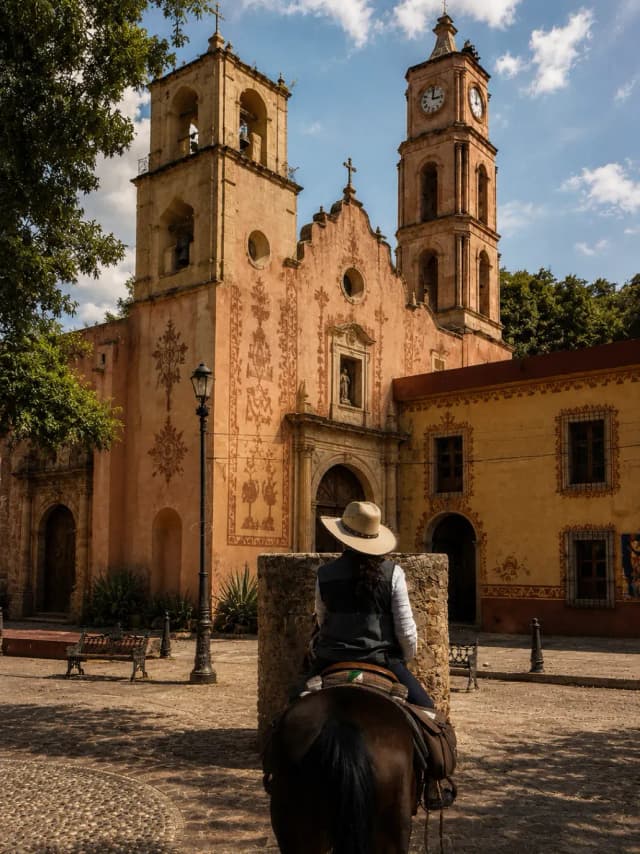
The expedition concludes in the extraordinary city of San Miguel de Allende, considered one of Latin America's most beautiful colonial cities and designated a UNESCO World Heritage Site. Its cobblestone streets, lively plazas, and colonial buildings create a vibrant atmosphere where history, art, and culture come together. At the heart of the city rises the iconic Parish Church of San Miguel Arcángel, its architectural symbol.
Our journey ends here, celebrating the close of an expedition that has united horses, Indigenous culture, desert landscapes, and agave traditions in an unforgettable experience.
Meals included: Breakfast
Loading PDF viewer...